
DeSantis Signs Bills Protecting Terra Ceia From Industrial Development
DeSantis Signs Bills Protecting Terra Ceia From Industrial Development
Governor Ron DeSantis has signed SB 302 and HB 1417 into law, permanently shielding the Terra Ceia Aquatic Preserve from large-scale dredging and blocking a proposed Manatee County cruise port.
Governor Ron DeSantis has signed SB 302 and HB 1417 into law, permanently shielding the Terra Ceia Aquatic Preserve from large-scale dredging and blocking a proposed Manatee County cruise port.
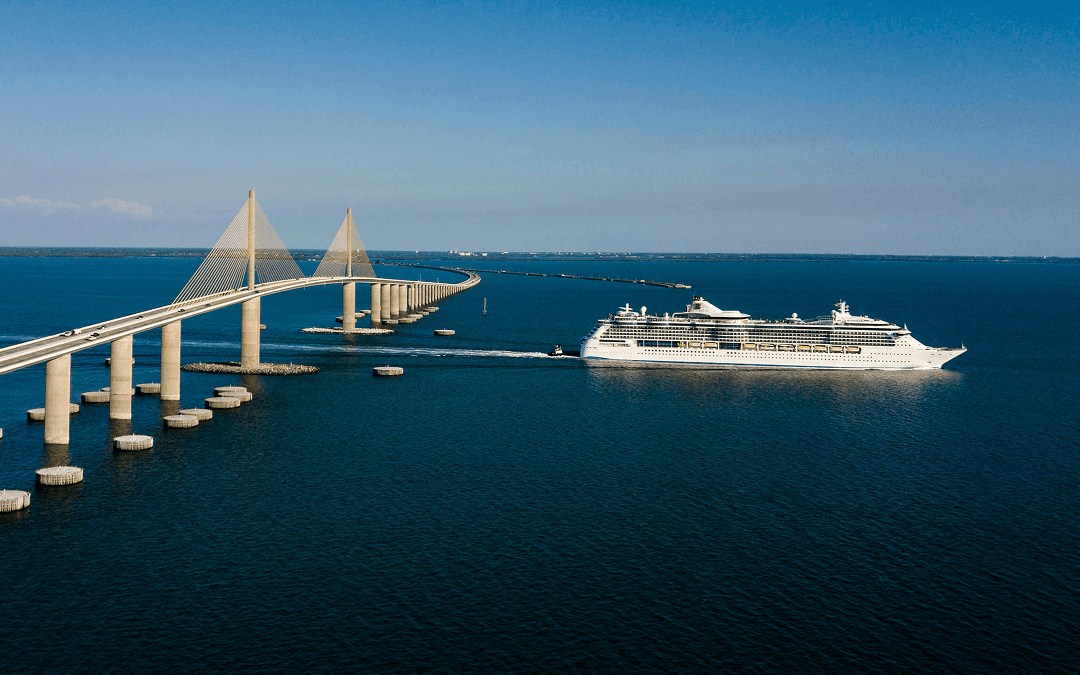
After months of legislative momentum and growing public opposition to a proposed cruise terminal on Manatee County's coastline, Governor Ron DeSantis has signed Senate Bill 302 and House Bill 1417 into law, delivering a decisive victory for Florida's environmental advocates and cementing long-term protections for one of the region's most ecologically sensitive waterways.
The signing took place in Bradenton and marked the first bills of the 2026 legislative session to receive the governor's signature.
Senate Bill 302 protects the Terra Ceia Aquatic Preserve by prohibiting the dredging or filling of submerged lands, allowing for passive recreational fishing and boating rather than commercial transportation in these sensitive waters. The legislation ensures that any future changes to the preserve must go through a transparent, state-level approval process.
The bill was sponsored by Sen. Ileana Garcia, R-Miami, and was originally focused on expanding protections for the Biscayne Bay Aquatic Preserve. It was amended after news broke that cruise terminal operator SSA Marine, along with Tampa's Slip Knott LLC, were exploring development of a modern cruise port in Manatee County. Sen. Jim Boyd, R-Bradenton, introduced the amendment adding dredging restrictions for the Terra Ceia Aquatic Preserve, aligning its protections with those already in place for Biscayne Bay.
The House passed the bill via a 109-0 vote, a rare show of unanimous bipartisan support reflecting the broad consensus around preserving the area.
SB 302 also orders the Department of Environmental Protection to develop clearer statewide standards for nature-based coastal protection methods by 2027, including living shorelines, seagrass restoration, and other hybrid "green-gray" infrastructure. It also mandates that state and local governments promote public awareness and education about the benefits of nature-based coastal protection methods.
Meanwhile, HB 1417 makes changes to DEP that result in major efficiencies and better protection for Florida's environment, according to DEP Secretary Alexis Lambert. The bill eliminates the Environmental Regulation Commission, removing redundant steps in the rulemaking process so that environmental standards can be updated more quickly. The legislation also addresses wastewater systems, water quality controls, pollution regulations, and air pollution permitting.
Both laws take effect July 1, 2026.
At the center of the legislative push was fierce local opposition to a proposed cruise terminal that would have required extensive dredging within the preserve. DeSantis noted that Tampa Bay is already home to three deep-water ports, including Seaport Manatee, and that there was no compelling need to establish a new port inside a conserved aquatic preserve.
Rep. Will Robinson, who has long worked alongside Sen. Boyd to protect the Terra Ceia ecosystem, called the area one of the most pristine in the state and expressed strong support for the legislation's passage. Environmental groups including Suncoast Waterkeeper had warned that construction of a cruise port would threaten the health of shared watersheds spanning Tampa Bay, Terra Ceia Bay, and Sarasota Bay.
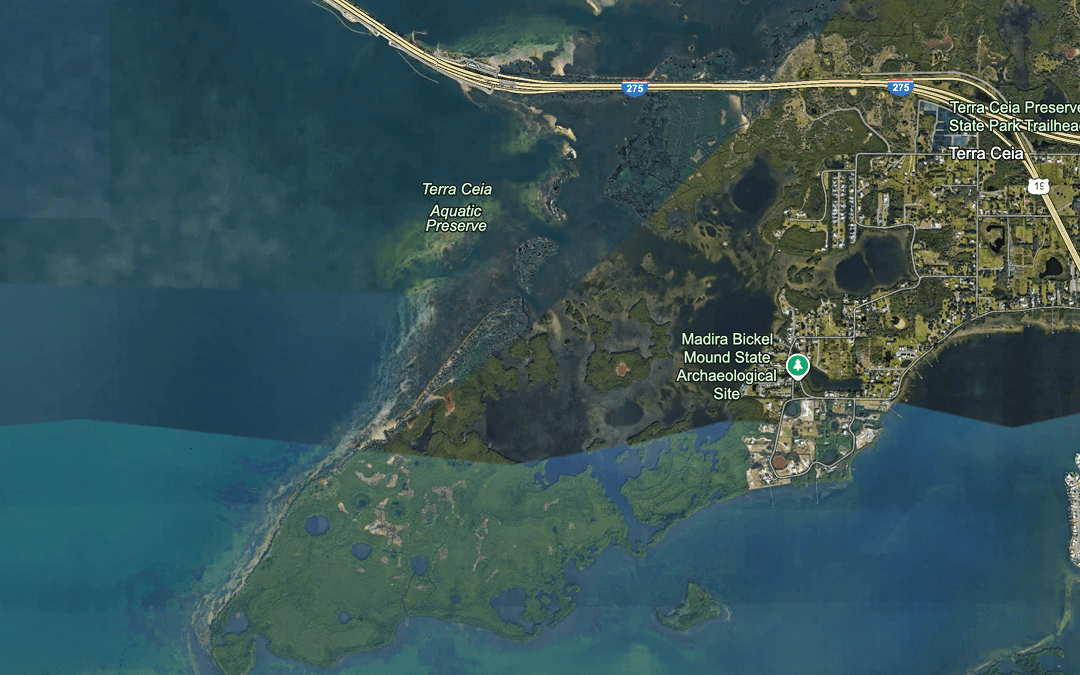
The preserve covers submerged lands in Tampa Bay, running from the Port Manatee ship channel to the Manatee-Hillsborough county line, then along the Intracoastal Waterway, around Emerson Point on Snead Island, and along the shores of Terra Ceia Bay, Miguel Bay, Joe Bay, and Bishop Harbor. The ecosystem is home to mangrove forests, freshwater and saltwater wetlands, seagrass beds, and a diverse array of marine life.
The legislation also strengthens Florida's coastal resiliency by expanding the use of nature-based solutions to rehabilitate wetlands, restore oyster reefs, and increase mangrove coverage along the Florida peninsula. It streamlines permitting, accelerates restoration timelines, and enables the use of new technologies to enhance coastal protection efforts.
With both bills now law, Terra Ceia's future shifts from a flashpoint of industrial ambition to a model of long-term environmental stewardship, a signal that Florida's most sensitive coastal ecosystems will have the legal framework to stay that way.
After months of legislative momentum and growing public opposition to a proposed cruise terminal on Manatee County's coastline, Governor Ron DeSantis has signed Senate Bill 302 and House Bill 1417 into law, delivering a decisive victory for Florida's environmental advocates and cementing long-term protections for one of the region's most ecologically sensitive waterways.
The signing took place in Bradenton and marked the first bills of the 2026 legislative session to receive the governor's signature.
Senate Bill 302 protects the Terra Ceia Aquatic Preserve by prohibiting the dredging or filling of submerged lands, allowing for passive recreational fishing and boating rather than commercial transportation in these sensitive waters. The legislation ensures that any future changes to the preserve must go through a transparent, state-level approval process.
The bill was sponsored by Sen. Ileana Garcia, R-Miami, and was originally focused on expanding protections for the Biscayne Bay Aquatic Preserve. It was amended after news broke that cruise terminal operator SSA Marine, along with Tampa's Slip Knott LLC, were exploring development of a modern cruise port in Manatee County. Sen. Jim Boyd, R-Bradenton, introduced the amendment adding dredging restrictions for the Terra Ceia Aquatic Preserve, aligning its protections with those already in place for Biscayne Bay.
The House passed the bill via a 109-0 vote, a rare show of unanimous bipartisan support reflecting the broad consensus around preserving the area.
SB 302 also orders the Department of Environmental Protection to develop clearer statewide standards for nature-based coastal protection methods by 2027, including living shorelines, seagrass restoration, and other hybrid "green-gray" infrastructure. It also mandates that state and local governments promote public awareness and education about the benefits of nature-based coastal protection methods.
Meanwhile, HB 1417 makes changes to DEP that result in major efficiencies and better protection for Florida's environment, according to DEP Secretary Alexis Lambert. The bill eliminates the Environmental Regulation Commission, removing redundant steps in the rulemaking process so that environmental standards can be updated more quickly. The legislation also addresses wastewater systems, water quality controls, pollution regulations, and air pollution permitting.
Both laws take effect July 1, 2026.
At the center of the legislative push was fierce local opposition to a proposed cruise terminal that would have required extensive dredging within the preserve. DeSantis noted that Tampa Bay is already home to three deep-water ports, including Seaport Manatee, and that there was no compelling need to establish a new port inside a conserved aquatic preserve.
Rep. Will Robinson, who has long worked alongside Sen. Boyd to protect the Terra Ceia ecosystem, called the area one of the most pristine in the state and expressed strong support for the legislation's passage. Environmental groups including Suncoast Waterkeeper had warned that construction of a cruise port would threaten the health of shared watersheds spanning Tampa Bay, Terra Ceia Bay, and Sarasota Bay.
The preserve covers submerged lands in Tampa Bay, running from the Port Manatee ship channel to the Manatee-Hillsborough county line, then along the Intracoastal Waterway, around Emerson Point on Snead Island, and along the shores of Terra Ceia Bay, Miguel Bay, Joe Bay, and Bishop Harbor. The ecosystem is home to mangrove forests, freshwater and saltwater wetlands, seagrass beds, and a diverse array of marine life.
The legislation also strengthens Florida's coastal resiliency by expanding the use of nature-based solutions to rehabilitate wetlands, restore oyster reefs, and increase mangrove coverage along the Florida peninsula. It streamlines permitting, accelerates restoration timelines, and enables the use of new technologies to enhance coastal protection efforts.
With both bills now law, Terra Ceia's future shifts from a flashpoint of industrial ambition to a model of long-term environmental stewardship, a signal that Florida's most sensitive coastal ecosystems will have the legal framework to stay that way.