Three Concepts, One Historic Tampa Heights Building
Three Concepts, One Historic Tampa Heights Building
The century-old Frederick P. Farris Building in Tampa Heights is being transformed into a three-concept nightlife destination featuring Boogie Heights, Hail Mary Social Club, and Uno Mas Taqueria + Cantina.
The century-old Frederick P. Farris Building in Tampa Heights is being transformed into a three-concept nightlife destination featuring Boogie Heights, Hail Mary Social Club, and Uno Mas Taqueria + Cantina.
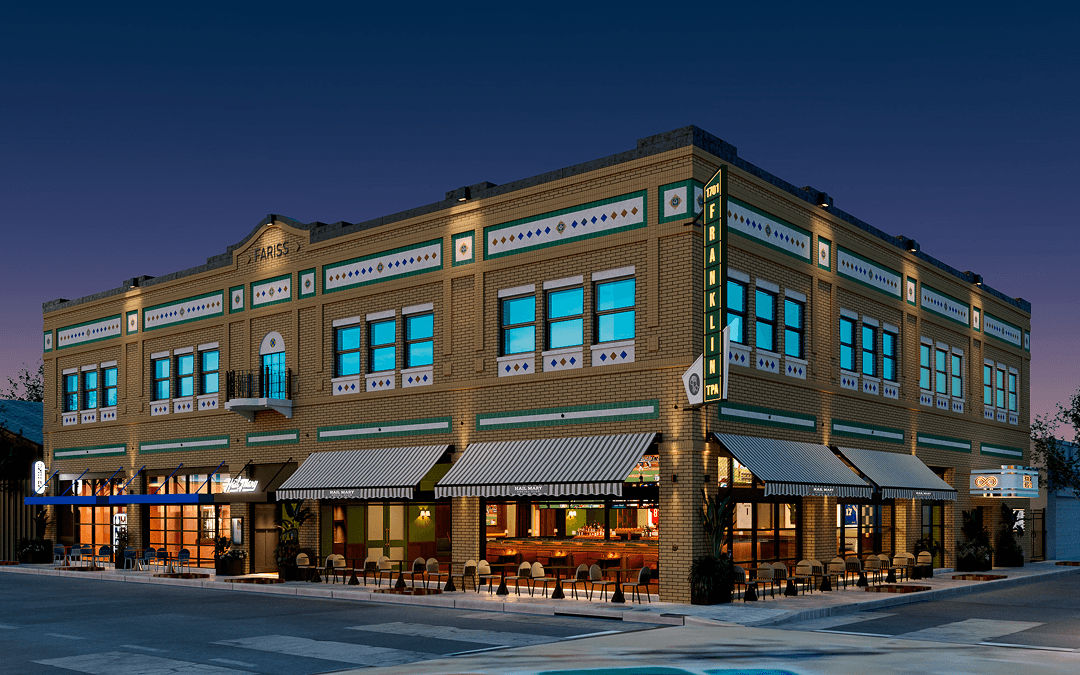
One of Tampa Heights' most recognizable landmarks is getting a new life. The Frederick P. Farris Building, a century-old yellow brick structure at 1701 N. Franklin St., is being transformed into a three-concept hospitality destination that its developers are betting will help reshape the neighborhood's nightlife corridor into something genuinely different for Tampa Bay.
The project brings together Boogie Heights, Hail Mary Social Club, and Uno Mas Taqueria + Cantina under one roof, each designed to feel like its own distinct world while feeding into a broader evening-out experience. The development team behind all three concepts includes Al Rogers, Joshua Pardue, Dor Haim, Enrique DeJesus, and Robert Stern, a group of local entrepreneurs with growing ties to Tampa Heights and the broader Gasworx corridor.
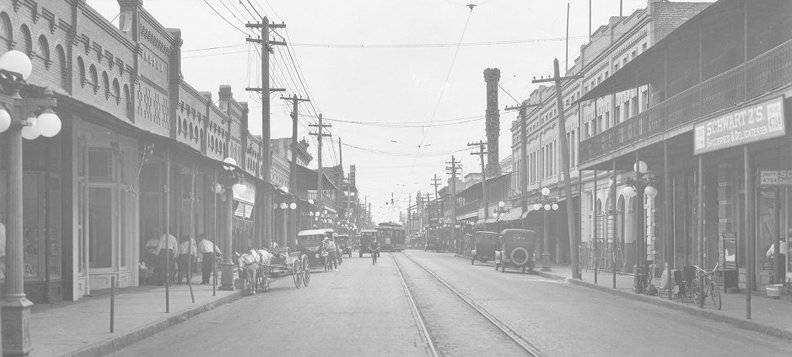
The building itself carries significant history. Previously home to an auto company in the 1920s, the Farris Building features hardwood floors, exposed brick walls, 18-foot ceilings, and ornate iron details, with large street-level windows converted into glass garage doors. It most recently served as the Hall on Franklin food hall before that concept closed in 2020.
The Design Vision
The design of Boogie Heights is led by ICRAVE, the world-renowned design studio responsible for iconic hospitality destinations including LIV Miami, Komodo Miami, Papi Steak, Marquee Singapore, and The Sphere Las Vegas, alongside TVS Design and SJ Lighting, one of the industry's top theatrical and nightclub lighting design firms. The design philosophy across all three concepts centers on layered storytelling, with each space drawing from a distinct visual and cultural reference point while sharing the building's preserved industrial bones.
The design narrative for Boogie Heights celebrates what the team calls "Escapist Celebration," blending the glitz and glamour of classic discos with tactile materials, bold lighting, and nostalgic details. Velvet textures, mirrored surfaces, and glowing neon tones create a space designed to feel like a cinematic time capsule. The concept draws from the electric energy of 1970s, 1980s, and early 1990s nightlife culture, complete with a mirror ball centerpiece, neon-lit entrance, and VIP spaces wrapped in velvet and chrome.
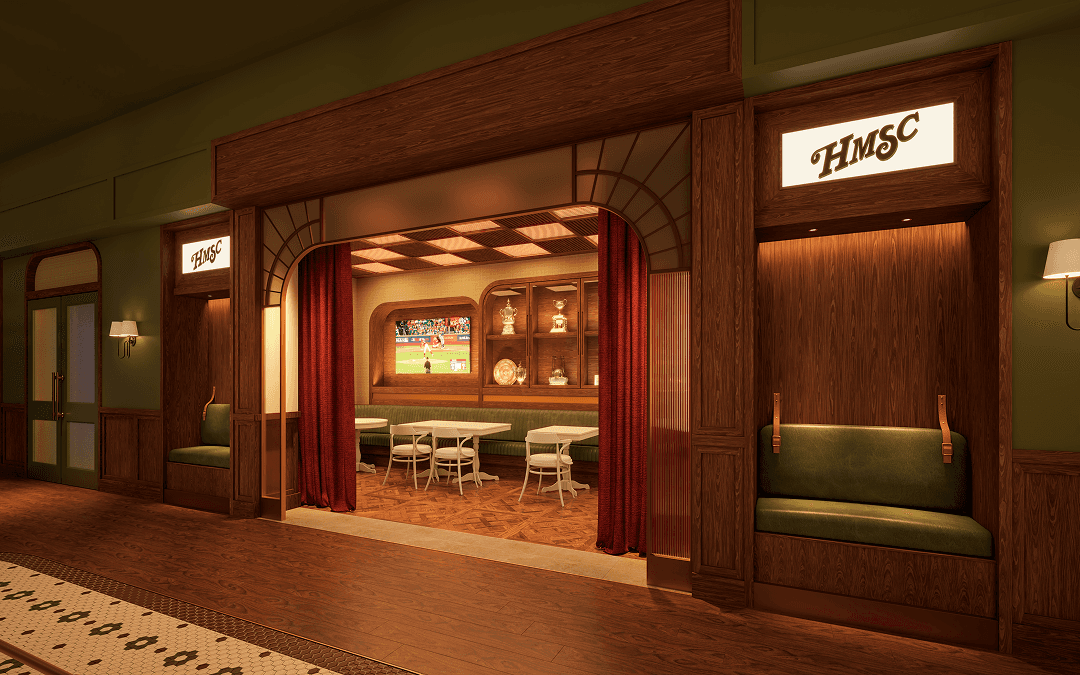
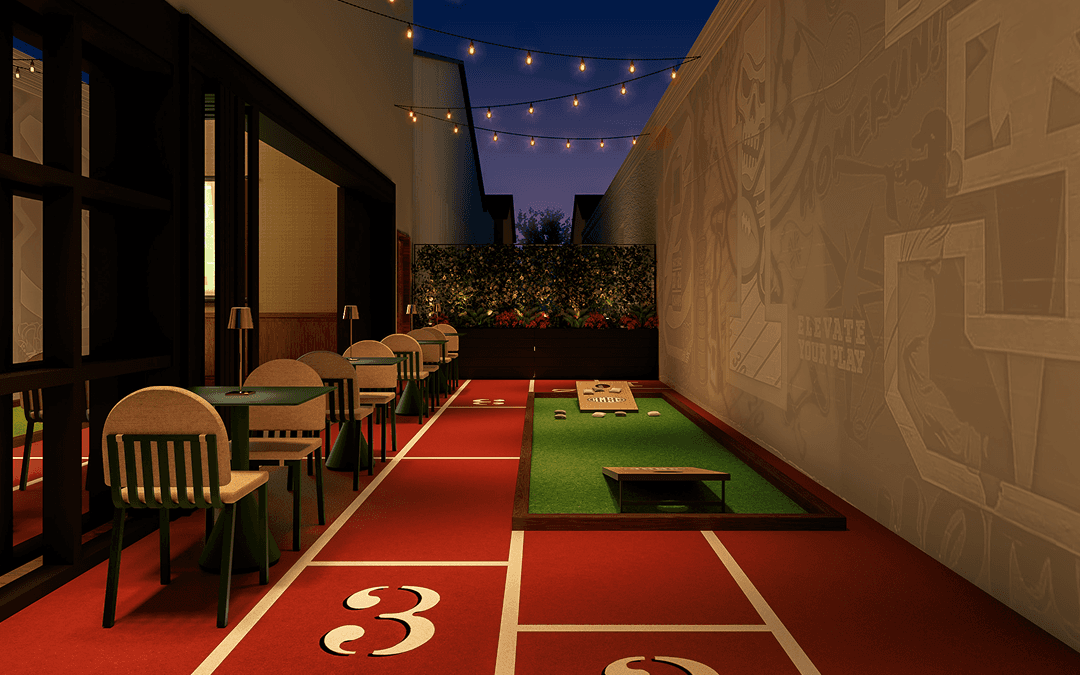
Hail Mary Social Club anchors the ground floor as a sports bar elevated beyond the typical. The concept was envisioned as a classic sports bar elevated with craft cocktails, an inspired culinary program, and an atmosphere designed for community. The space seats around 200 people and includes a full kitchen, curved screens, and extensive TV coverage. Roll-up doors connect the interior to the street, reinforcing the neighborhood-facing energy the team is aiming for.
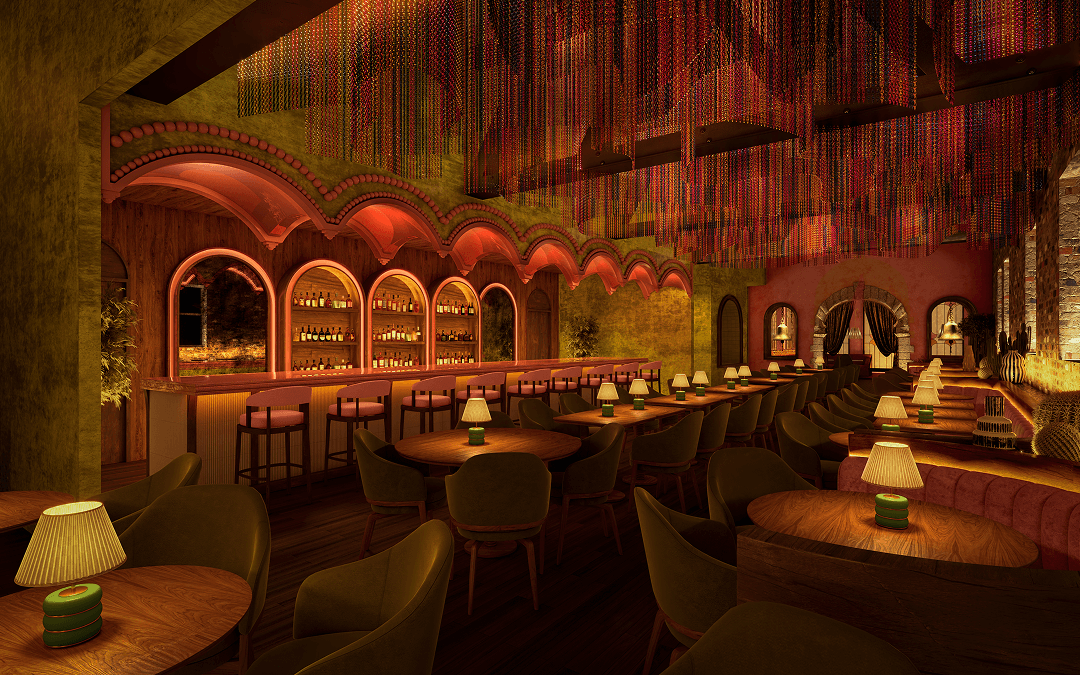
Uno Mas Taqueria + Cantina rounds out the trio with a more casual but carefully layered concept. A street-style taco shop on the ground floor gives way to a hidden speakeasy accessible through a vending machine entrance, while an upstairs cantina features vibrant ceiling installations and a chapel-inspired private dining space.
Anchoring Yellow Brick Row
The project is part of a broader push to activate what has become known as the Yellow Brick Row stretch of North Franklin Street. The development team has noted they see the project as contributing to the revitalization of the corridor, helping turn the historic stretch into a vibrant center for Tampa's growing creative community.
It is very important to the ownership group that each concept builds its own identity, a deliberate design strategy that distinguishes the project from traditional multi-tenant food halls. Rather than a shared-space model, each venue is built to stand on its own while benefiting from the foot traffic and brand recognition the combined destination creates.
With a summer 2026 opening anticipated, the Farris Building's next chapter is shaping up to be its most ambitious yet, and a meaningful addition to Tampa Heights' growing reputation as the city's most dynamic entertainment district.
One of Tampa Heights' most recognizable landmarks is getting a new life. The Frederick P. Farris Building, a century-old yellow brick structure at 1701 N. Franklin St., is being transformed into a three-concept hospitality destination that its developers are betting will help reshape the neighborhood's nightlife corridor into something genuinely different for Tampa Bay.
The project brings together Boogie Heights, Hail Mary Social Club, and Uno Mas Taqueria + Cantina under one roof, each designed to feel like its own distinct world while feeding into a broader evening-out experience. The development team behind all three concepts includes Al Rogers, Joshua Pardue, Dor Haim, Enrique DeJesus, and Robert Stern, a group of local entrepreneurs with growing ties to Tampa Heights and the broader Gasworx corridor.
The building itself carries significant history. Previously home to an auto company in the 1920s, the Farris Building features hardwood floors, exposed brick walls, 18-foot ceilings, and ornate iron details, with large street-level windows converted into glass garage doors. It most recently served as the Hall on Franklin food hall before that concept closed in 2020.
The Design Vision
The design of Boogie Heights is led by ICRAVE, the world-renowned design studio responsible for iconic hospitality destinations including LIV Miami, Komodo Miami, Papi Steak, Marquee Singapore, and The Sphere Las Vegas, alongside TVS Design and SJ Lighting, one of the industry's top theatrical and nightclub lighting design firms. The design philosophy across all three concepts centers on layered storytelling, with each space drawing from a distinct visual and cultural reference point while sharing the building's preserved industrial bones.
The design narrative for Boogie Heights celebrates what the team calls "Escapist Celebration," blending the glitz and glamour of classic discos with tactile materials, bold lighting, and nostalgic details. Velvet textures, mirrored surfaces, and glowing neon tones create a space designed to feel like a cinematic time capsule. The concept draws from the electric energy of 1970s, 1980s, and early 1990s nightlife culture, complete with a mirror ball centerpiece, neon-lit entrance, and VIP spaces wrapped in velvet and chrome.
Hail Mary Social Club anchors the ground floor as a sports bar elevated beyond the typical. The concept was envisioned as a classic sports bar elevated with craft cocktails, an inspired culinary program, and an atmosphere designed for community. The space seats around 200 people and includes a full kitchen, curved screens, and extensive TV coverage. Roll-up doors connect the interior to the street, reinforcing the neighborhood-facing energy the team is aiming for.
Uno Mas Taqueria + Cantina rounds out the trio with a more casual but carefully layered concept. A street-style taco shop on the ground floor gives way to a hidden speakeasy accessible through a vending machine entrance, while an upstairs cantina features vibrant ceiling installations and a chapel-inspired private dining space.
Anchoring Yellow Brick Row
The project is part of a broader push to activate what has become known as the Yellow Brick Row stretch of North Franklin Street. The development team has noted they see the project as contributing to the revitalization of the corridor, helping turn the historic stretch into a vibrant center for Tampa's growing creative community.
It is very important to the ownership group that each concept builds its own identity, a deliberate design strategy that distinguishes the project from traditional multi-tenant food halls. Rather than a shared-space model, each venue is built to stand on its own while benefiting from the foot traffic and brand recognition the combined destination creates.
With a summer 2026 opening anticipated, the Farris Building's next chapter is shaping up to be its most ambitious yet, and a meaningful addition to Tampa Heights' growing reputation as the city's most dynamic entertainment district.