Rays Present $2.3 Billion Dale Mabry Stadium Deal
Rays Present $2.3 Billion Dale Mabry Stadium Deal
The Tampa Bay Rays unveiled their Dale Mabry campus stadium proposal to City Council, requesting $251 million in public funding as part of a mixed-use development targeting a 2029 opening.
The Tampa Bay Rays unveiled their Dale Mabry campus stadium proposal to City Council, requesting $251 million in public funding as part of a mixed-use development targeting a 2029 opening.
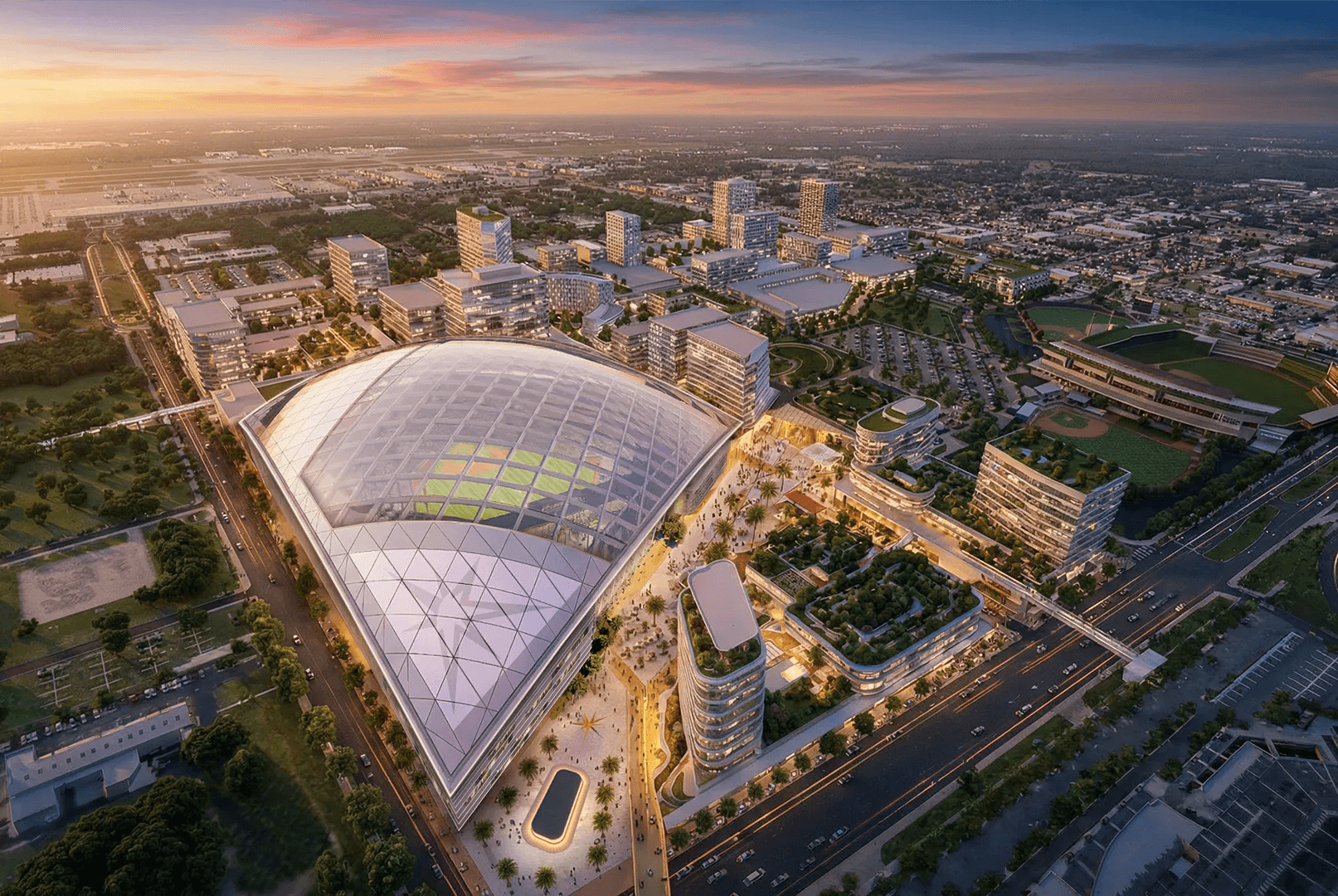
The Tampa Bay Rays presented their proposed stadium deal during a lengthy public workshop before Tampa City Council, formally advancing a $2.3 billion project that would transform Hillsborough Community College's Dale Mabry campus. The Rays have offered to pay $1.235 billion, more than half of that figure, plus all design and construction cost overruns. The proposal marks the team's most concrete push toward building a permanent home, with the goal of opening in time for the 2029 season.
Under the funding structure outlined in the memorandum of understanding, the City of Tampa would contribute $251 million and Hillsborough County would contribute $750 million from existing revenue sources including hotel taxes and community investment tax funds. The framework explicitly avoids creating new taxes, structuring the public contribution to avoid impacting core city and county services.
The stadium project extends beyond just a ballpark. The plan includes a broader mixed-use development similar to the Battery in Atlanta, with Hillsborough College integrated into the district, providing internships, jobs, and partnerships for students, businesses, and the team. The broader development would encompass restaurants, retail office space, entertainment venues, and other commercial uses anchored by the baseball facility.
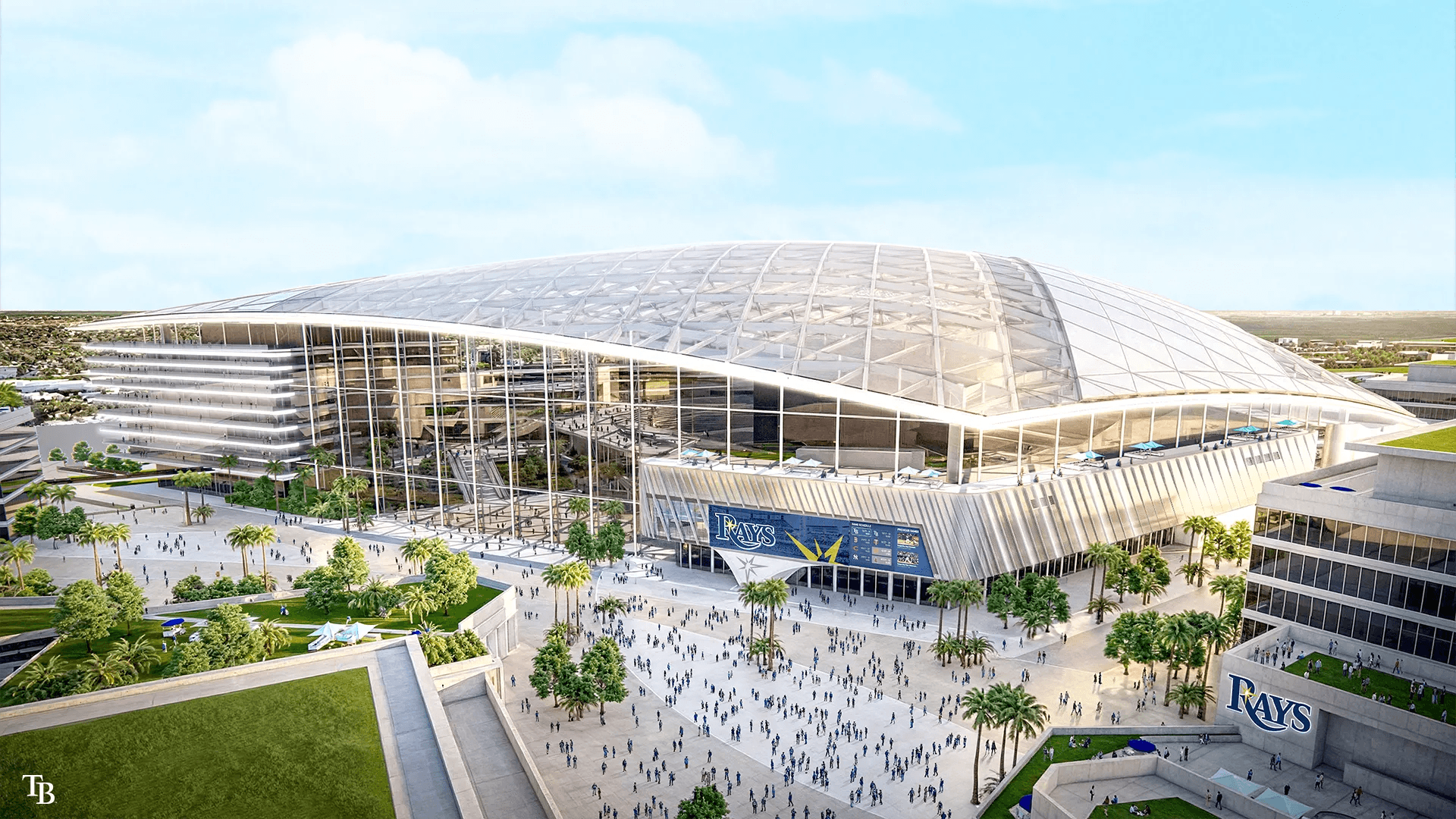
The new ballpark's lease would be for 35 years, with options to extend it up to 15 additional years in five three-year periods. The club would manage, operate and maintain the stadium, cover all insurance and repairs and commit to a non-relocation agreement with the county and the city.
According to the MOU, all the involved parties must complete and approve the final agreements by June 1 in order for the ballpark to be open by March 2029. Because of delays, there is only one more opportunity at a May 20 meeting for the county to approve a deal before the June 1 deadline set by the Rays organization. The tight timeline has created pressure on county commissioners and city officials to move the process forward.
Council members spent hours reviewing the stadium agreement and discussing the potential economic impact on the city. Support is mixed, with Tampa City Council Chair Alan Clendenin voicing support for bringing the team into Tampa, while some council members raised concerns about the financial tradeoffs tied to the deal.
Supporters contend the stadium-anchored district would generate significant economic activity, jobs, and long-term tax revenues for both the city and county. Project estimates point to $34 billion in direct economic activity over 30 years, with an additional $21.5 billion in indirect impact, projecting 11,900 permanent jobs and roughly 40,000 full-time equivalent positions.
However, critics continue questioning the public investment's scope. Not every local leader supports the proposal, with Tampa City Councilman Luis Viera raising concerns about the financial tradeoffs tied to the deal, noting that nothing is free. Additional scrutiny emerged regarding how the city would fund its $251 million contribution, with some officials expressing concern about using the Community Investment Tax, a half-cent sales tax recently approved by voters after being marketed as not going to build stadiums.
The Rays' use agreement with the City of St. Petersburg to play at Tropicana Field is set to expire after the 2028 season. For the team, the Dale Mabry proposal represents a final opportunity to secure a new home before that deadline. The June 1 deadline reflects this urgency, with team representatives telling council members they need a deal in place or the team would begin exploring alternative locations.
The Tampa Bay Rays presented their proposed stadium deal during a lengthy public workshop before Tampa City Council, formally advancing a $2.3 billion project that would transform Hillsborough Community College's Dale Mabry campus. The Rays have offered to pay $1.235 billion, more than half of that figure, plus all design and construction cost overruns. The proposal marks the team's most concrete push toward building a permanent home, with the goal of opening in time for the 2029 season.
Under the funding structure outlined in the memorandum of understanding, the City of Tampa would contribute $251 million and Hillsborough County would contribute $750 million from existing revenue sources including hotel taxes and community investment tax funds. The framework explicitly avoids creating new taxes, structuring the public contribution to avoid impacting core city and county services.
The stadium project extends beyond just a ballpark. The plan includes a broader mixed-use development similar to the Battery in Atlanta, with Hillsborough College integrated into the district, providing internships, jobs, and partnerships for students, businesses, and the team. The broader development would encompass restaurants, retail office space, entertainment venues, and other commercial uses anchored by the baseball facility.
The new ballpark's lease would be for 35 years, with options to extend it up to 15 additional years in five three-year periods. The club would manage, operate and maintain the stadium, cover all insurance and repairs and commit to a non-relocation agreement with the county and the city.
According to the MOU, all the involved parties must complete and approve the final agreements by June 1 in order for the ballpark to be open by March 2029. Because of delays, there is only one more opportunity at a May 20 meeting for the county to approve a deal before the June 1 deadline set by the Rays organization. The tight timeline has created pressure on county commissioners and city officials to move the process forward.
Council members spent hours reviewing the stadium agreement and discussing the potential economic impact on the city. Support is mixed, with Tampa City Council Chair Alan Clendenin voicing support for bringing the team into Tampa, while some council members raised concerns about the financial tradeoffs tied to the deal.
Supporters contend the stadium-anchored district would generate significant economic activity, jobs, and long-term tax revenues for both the city and county. Project estimates point to $34 billion in direct economic activity over 30 years, with an additional $21.5 billion in indirect impact, projecting 11,900 permanent jobs and roughly 40,000 full-time equivalent positions.
However, critics continue questioning the public investment's scope. Not every local leader supports the proposal, with Tampa City Councilman Luis Viera raising concerns about the financial tradeoffs tied to the deal, noting that nothing is free. Additional scrutiny emerged regarding how the city would fund its $251 million contribution, with some officials expressing concern about using the Community Investment Tax, a half-cent sales tax recently approved by voters after being marketed as not going to build stadiums.
The Rays' use agreement with the City of St. Petersburg to play at Tropicana Field is set to expire after the 2028 season. For the team, the Dale Mabry proposal represents a final opportunity to secure a new home before that deadline. The June 1 deadline reflects this urgency, with team representatives telling council members they need a deal in place or the team would begin exploring alternative locations.