
PSTA Votes to Launch New Two-Vessel Ferry Service
PSTA Votes to Launch New Two-Vessel Ferry Service
The Pinellas Suncoast Transit Authority advances plans for a revamped Tampa Bay Ferry, selecting locally-based operator Hubbard's Marina to manage two-vessel service with year-round daily operations.
The Pinellas Suncoast Transit Authority advances plans for a revamped Tampa Bay Ferry, selecting locally-based operator Hubbard's Marina to manage two-vessel service with year-round daily operations.
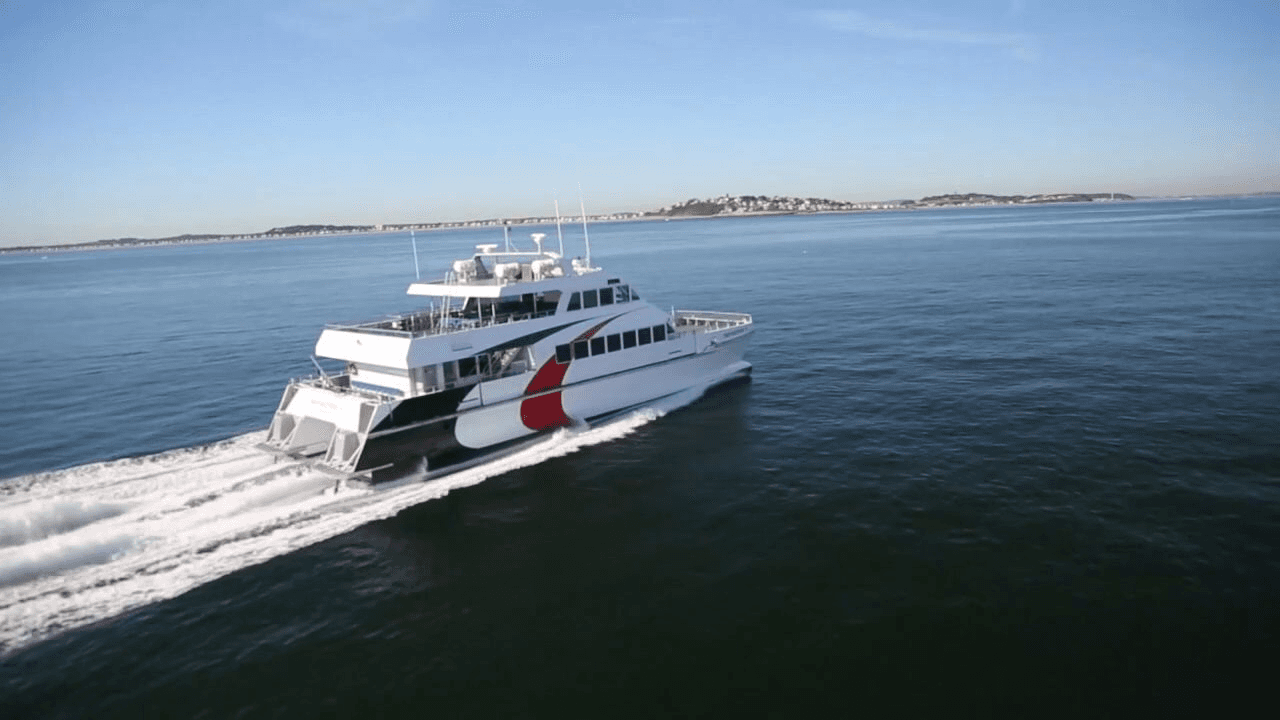
he Pinellas Suncoast Transit Authority is moving forward with plans to restore passenger ferry service across Tampa Bay, with the board voting this week to approve the purchase and renovation of two vessels funded by a $4.8 million federal grant. The new Tampa Bay Ferry represents a significant departure from its predecessor, the Cross Bay Ferry, which operated seasonally before ceasing operations in April 2025 following contractual disputes with its former operator.
Unlike the previous service, the revamped Tampa Bay Ferry will operate under new management and improved financial structure. PSTA has selected Hubbard's Marina, a local family business with nearly 100 years of history in the Tampa Bay region, to operate the service through its subsidiary Tampa Bay Sea Taxi. The arrangement establishes a multi-year operating contract designed to address the financial and operational challenges that hampered the original Cross Bay Ferry pilot program.
PSTA will oversee ferry operations while the family-owned marina handles day-to-day service. This partnership leverages Hubbard's extensive history with waterborne transportation in Tampa Bay, the family's connection to passenger ferry operations in the region predates modern bridge infrastructure.
The new service will mark a fundamental shift from seasonal to year-round operations. Two vessels will operate every day of the week, replacing the single-vessel model that limited frequency and reliability under the previous operator. PSTA and Hubbard's Marina staff have identified the Seattle-based San Juan Clipper ($2 million) and the Candy Stripe ($2.3 million), docked in Morgan City, Louisiana, as potential additions to the Tampa Bay Ferry's fleet.
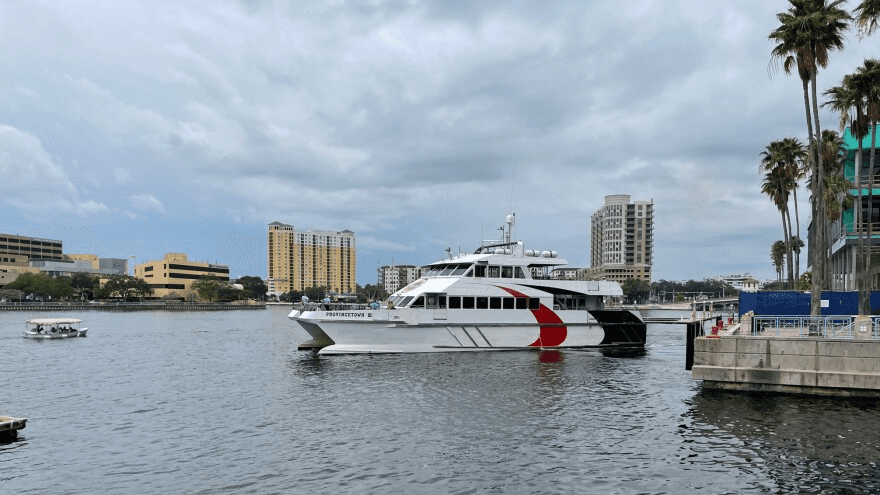
The new service will be more affordable than its predecessor. PSTA is targeting a $10 one-way ticket price, $2 cheaper than the Cross Bay's fares, with seniors receiving a 50% discount. Both vessels will feature on-board amenities, including a bar with snacks, kid-friendly drinks, and adult beverages.
The ferry will utilize two separate docking facilities across the bay. The boats will dock at the east end of the Tampa Convention Center on the Tampa side, while the Tampa Bay Ferry will utilize a temporary dock along the Vinoy Yacht Basin in downtown St. Petersburg, with a permanent home for multiple vessels at the St. Peter Pier currently in the design and engineering phase.
Officials are targeting service to begin by the end of 2026, pending vessel acquisition and refurbishment. The budget of nearly $5 million will include the renovation of both boats.
The City of Tampa will contribute up to $350,000 in Mobility Department funds annually to support the ferry's operation, and the City of St. Petersburg will do the same. This dual-city commitment reflects broader regional efforts to create a more integrated transportation network.
The new ferry service arrives amid growing momentum for multimodal transportation across Tampa Bay, with discussions underway about light rail infrastructure and coordinated regional transit planning that could extend far beyond ferry service.
he Pinellas Suncoast Transit Authority is moving forward with plans to restore passenger ferry service across Tampa Bay, with the board voting this week to approve the purchase and renovation of two vessels funded by a $4.8 million federal grant. The new Tampa Bay Ferry represents a significant departure from its predecessor, the Cross Bay Ferry, which operated seasonally before ceasing operations in April 2025 following contractual disputes with its former operator.
Unlike the previous service, the revamped Tampa Bay Ferry will operate under new management and improved financial structure. PSTA has selected Hubbard's Marina, a local family business with nearly 100 years of history in the Tampa Bay region, to operate the service through its subsidiary Tampa Bay Sea Taxi. The arrangement establishes a multi-year operating contract designed to address the financial and operational challenges that hampered the original Cross Bay Ferry pilot program.
PSTA will oversee ferry operations while the family-owned marina handles day-to-day service. This partnership leverages Hubbard's extensive history with waterborne transportation in Tampa Bay, the family's connection to passenger ferry operations in the region predates modern bridge infrastructure.
The new service will mark a fundamental shift from seasonal to year-round operations. Two vessels will operate every day of the week, replacing the single-vessel model that limited frequency and reliability under the previous operator. PSTA and Hubbard's Marina staff have identified the Seattle-based San Juan Clipper ($2 million) and the Candy Stripe ($2.3 million), docked in Morgan City, Louisiana, as potential additions to the Tampa Bay Ferry's fleet.
The new service will be more affordable than its predecessor. PSTA is targeting a $10 one-way ticket price, $2 cheaper than the Cross Bay's fares, with seniors receiving a 50% discount. Both vessels will feature on-board amenities, including a bar with snacks, kid-friendly drinks, and adult beverages.
The ferry will utilize two separate docking facilities across the bay. The boats will dock at the east end of the Tampa Convention Center on the Tampa side, while the Tampa Bay Ferry will utilize a temporary dock along the Vinoy Yacht Basin in downtown St. Petersburg, with a permanent home for multiple vessels at the St. Peter Pier currently in the design and engineering phase.
Officials are targeting service to begin by the end of 2026, pending vessel acquisition and refurbishment. The budget of nearly $5 million will include the renovation of both boats.
The City of Tampa will contribute up to $350,000 in Mobility Department funds annually to support the ferry's operation, and the City of St. Petersburg will do the same. This dual-city commitment reflects broader regional efforts to create a more integrated transportation network.
The new ferry service arrives amid growing momentum for multimodal transportation across Tampa Bay, with discussions underway about light rail infrastructure and coordinated regional transit planning that could extend far beyond ferry service.