
$10M Secured to Deepen Port Tampa Bay Channel
$10M Secured to Deepen Port Tampa Bay Channel
Federal funding will advance the largest infrastructure project in Port Tampa Bay's history, deepening a 42-mile shipping channel to accommodate larger vessels and expand Florida's cargo capacity.
Federal funding will advance the largest infrastructure project in Port Tampa Bay's history, deepening a 42-mile shipping channel to accommodate larger vessels and expand Florida's cargo capacity.
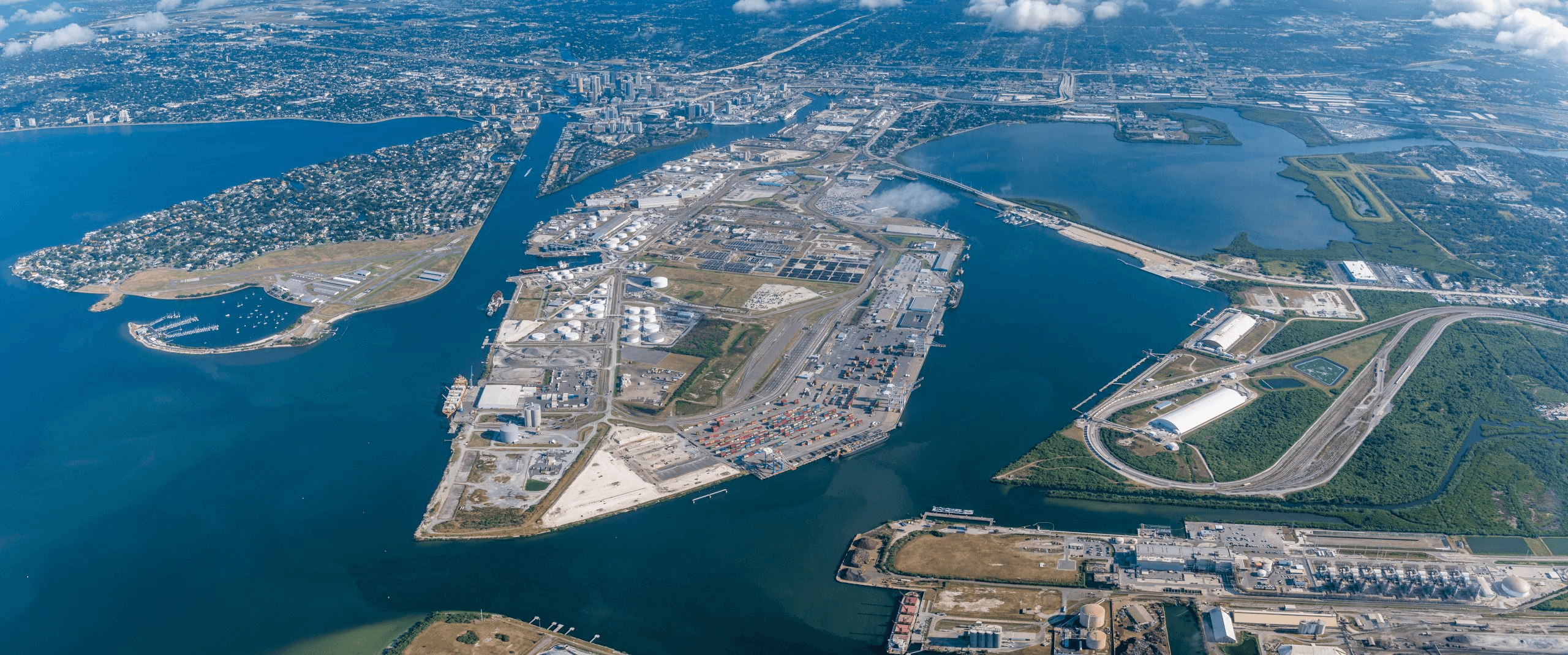
U.S. Rep. Kathy Castor has announced $10 million in federal funding to advance the Tampa Harbor Navigation Improvement Project, the single largest infrastructure initiative in Port Tampa Bay's history. The investment positions the port for a generational upgrade to its shipping channel and reinforces its role as the backbone of Florida's supply chain.
The funding arrives in two parts. Castor secured $3 million through Fiscal Year 2026 community project funding requests to help fund Phase 1 of the project, which includes planning, engineering, and design of the channel expansion. She also led the Florida Congressional Delegation in securing an additional $7 million in general-use funding through the U.S. Army Corps of Engineers, bringing the total federal investment to $10 million.
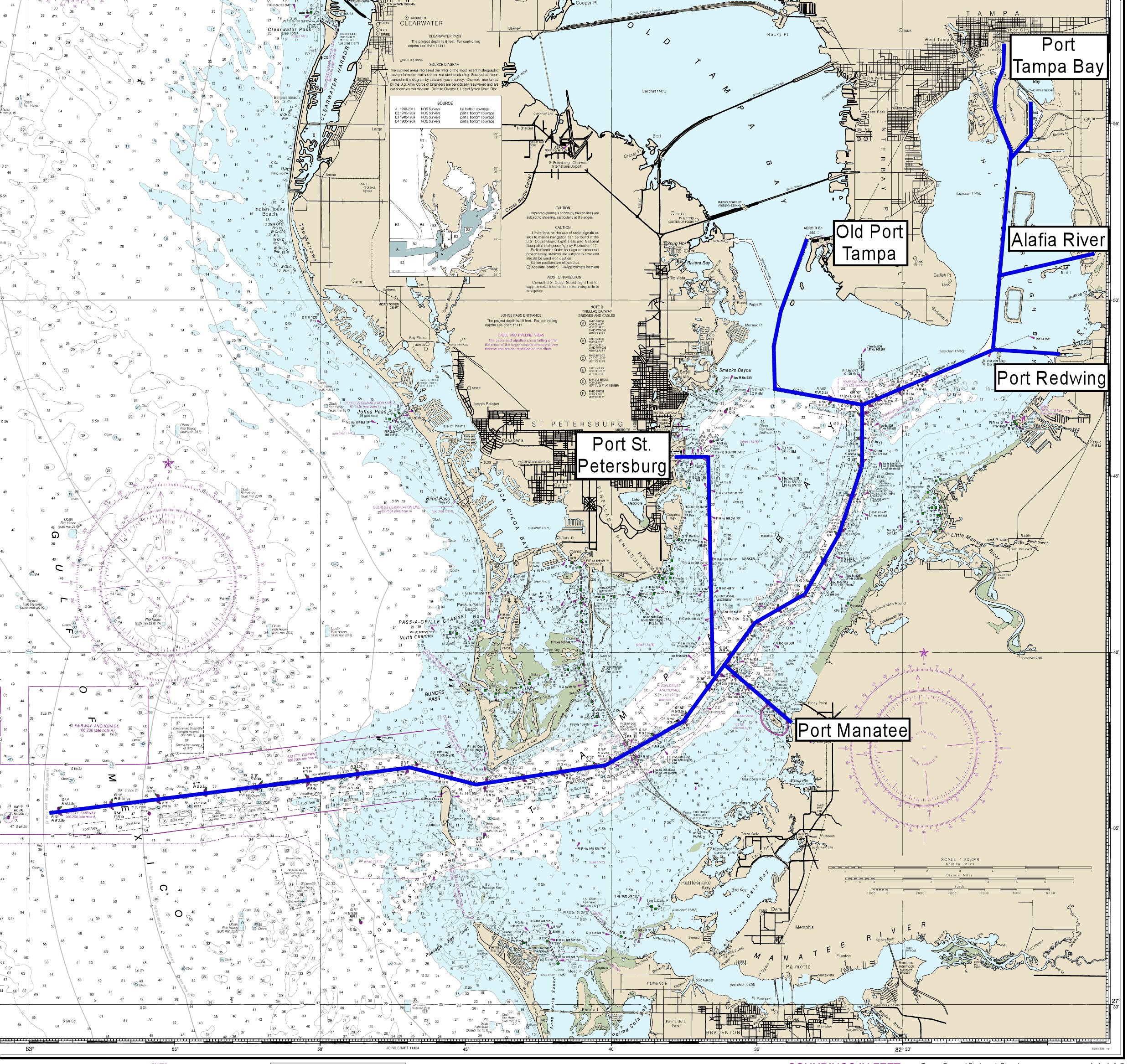
Authorized by Congress in late 2024, the Tampa Harbor Navigation Improvement Project will deepen the shipping channel from 43 feet to 47 feet along a 42-mile stretch, allowing the port to safely accommodate larger, more modern vessels. The full undertaking is a six-phased, $1.5 billion project that, once complete, will fundamentally change what Port Tampa Bay can receive, process, and move.
The depth increase is critical. Modern container ships, particularly post-Panamax vessels now common across global trade routes, require deeper drafts than the port's current channel allows. By extending channel depth by four feet, Port Tampa Bay will be able to compete more directly with major Gulf Coast rivals for the largest cargo carriers currently bypassing Tampa.
The port is also preparing for expanded crane capabilities, with six post-Panamax cranes expected to be operational by the end of 2026, a development that, paired with the channel deepening, signals a comprehensive push to scale Tampa Bay's maritime infrastructure well into the coming decades.
The improvements extend well beyond the waterfront. Port Tampa Bay serves as the primary conduit for goods moving into and out of West Central Florida, with distribution networks stretching east along the I-4 corridor through Orlando and beyond. Disruptions to the port, as Rep. Castor noted at the announcement, translate directly into consumer costs and supply chain bottlenecks that affect the entire state.
In fiscal year 2025, the port handled 32 million tons of cargo, including petroleum products, dry bulk commodities, containers, breakbulk, and project cargo. Container volumes have increased by more than 300% since 2018, with nearly 263,000 TEUs moving through the port last year. That growth underscores why the channel deepening is no longer optional, it is essential infrastructure for a port that has outpaced its own physical constraints.
Port Tampa Bay supports more than 192,000 total jobs and carries a $34.6 billion economic value for the region, according to a 2024 economic impact report from maritime research firm Martin and Associates. The average maritime-related salary at the port stands at $74,350, well above the statewide average for all occupations, making the port not just a logistics engine but a significant driver of middle-class employment across the Tampa Bay area.
Port Tampa Bay Executive Vice President Raul Alfonso described the channel project as a generational undertaking, saying the investment will expand capacity, improve efficiency, and strengthen the supply chains Florida's economy depends on.
Construction on the project is expected to begin as early as 2027, pending the completion of Phase 1 planning and design work now set to move forward with the secured federal dollars. For a port that has already doubled its economic footprint over the past decade, the channel deepening represents the infrastructure foundation its next decade of growth will require.
U.S. Rep. Kathy Castor has announced $10 million in federal funding to advance the Tampa Harbor Navigation Improvement Project, the single largest infrastructure initiative in Port Tampa Bay's history. The investment positions the port for a generational upgrade to its shipping channel and reinforces its role as the backbone of Florida's supply chain.
The funding arrives in two parts. Castor secured $3 million through Fiscal Year 2026 community project funding requests to help fund Phase 1 of the project, which includes planning, engineering, and design of the channel expansion. She also led the Florida Congressional Delegation in securing an additional $7 million in general-use funding through the U.S. Army Corps of Engineers, bringing the total federal investment to $10 million.
Authorized by Congress in late 2024, the Tampa Harbor Navigation Improvement Project will deepen the shipping channel from 43 feet to 47 feet along a 42-mile stretch, allowing the port to safely accommodate larger, more modern vessels. The full undertaking is a six-phased, $1.5 billion project that, once complete, will fundamentally change what Port Tampa Bay can receive, process, and move.
The depth increase is critical. Modern container ships, particularly post-Panamax vessels now common across global trade routes, require deeper drafts than the port's current channel allows. By extending channel depth by four feet, Port Tampa Bay will be able to compete more directly with major Gulf Coast rivals for the largest cargo carriers currently bypassing Tampa.
The port is also preparing for expanded crane capabilities, with six post-Panamax cranes expected to be operational by the end of 2026, a development that, paired with the channel deepening, signals a comprehensive push to scale Tampa Bay's maritime infrastructure well into the coming decades.
The improvements extend well beyond the waterfront. Port Tampa Bay serves as the primary conduit for goods moving into and out of West Central Florida, with distribution networks stretching east along the I-4 corridor through Orlando and beyond. Disruptions to the port, as Rep. Castor noted at the announcement, translate directly into consumer costs and supply chain bottlenecks that affect the entire state.
In fiscal year 2025, the port handled 32 million tons of cargo, including petroleum products, dry bulk commodities, containers, breakbulk, and project cargo. Container volumes have increased by more than 300% since 2018, with nearly 263,000 TEUs moving through the port last year. That growth underscores why the channel deepening is no longer optional, it is essential infrastructure for a port that has outpaced its own physical constraints.
Port Tampa Bay supports more than 192,000 total jobs and carries a $34.6 billion economic value for the region, according to a 2024 economic impact report from maritime research firm Martin and Associates. The average maritime-related salary at the port stands at $74,350, well above the statewide average for all occupations, making the port not just a logistics engine but a significant driver of middle-class employment across the Tampa Bay area.
Port Tampa Bay Executive Vice President Raul Alfonso described the channel project as a generational undertaking, saying the investment will expand capacity, improve efficiency, and strengthen the supply chains Florida's economy depends on.
Construction on the project is expected to begin as early as 2027, pending the completion of Phase 1 planning and design work now set to move forward with the secured federal dollars. For a port that has already doubled its economic footprint over the past decade, the channel deepening represents the infrastructure foundation its next decade of growth will require.