
Tampa Police Roll Out AI-Powered Tools
Tampa Police Roll Out AI-Powered Tools
The Tampa Police Department is entering 2026 with AI-powered technologies including Prepared 911, which allows callers to live stream video directly to dispatchers.
The Tampa Police Department is entering 2026 with AI-powered technologies including Prepared 911, which allows callers to live stream video directly to dispatchers.
The Tampa Police Department is entering 2026 with a suite of AI-powered technologies designed to improve response times, communication, and officer preparedness. The upgrades give officers and dispatchers more information before and during emergency calls, with Chief Lee Bercaw calling the initiative essential to keeping Tampa safe.
"By integrating cutting-edge technologies, we are empowering Tampa Police Officers and Communications personnel with real-time intelligence and live-streamed visuals as they answer a call for help," Bercaw said at a department demonstration. "These tools do more than just improve response times. They remove language barriers, improve training, and enhance de-escalation."
Live Video Streaming to 911 Dispatchers
One of the biggest changes is Prepared 911, a system that allows callers to live stream video directly to dispatchers. When someone calls 911 during a major emergency, a dispatcher can text them a secure link to start a video call. If the caller accepts, video is shared directly to the communications center, giving first responders visual context before they arrive on scene.
911 Communications Supervisor Richard Parsons explained the potential impact: "If somebody's on the phone saying someone's with a gun, and we can't get that type of information, now we can see it. What type of gun is it? Is it an automatic weapon? All of that could change our response."
The feature won't be used on every call. Dispatchers will activate it selectively to avoid putting callers at risk. Parsons noted they want to ensure callers aren't chasing suspects to get a better shot of their face. The platform also allows dispatchers to text with callers who cannot speak, and once the call ends, the video stops and the chat closes automatically.
The system has already proven useful. Just last week, dispatchers used the platform to receive a photo of a missing five-year-old from a parent during an active search.
Real-Time Translation in 54 Languages
Officers are also gaining new tools through expanded body camera technology, including instant translation in over 54 languages and voice-activated policy guidance. The Axon Assistant technology can detect the language a person is speaking, translate it in seconds, and repeat it back to the officer in English. It can then translate the officer's response into the caller's language.
Officer Jaclyn Douillard said the technology was a game changer during a recent robbery call. Before these tools, officers would sometimes have to wait five to thirty minutes for a translator to arrive or call in. "I work in the Ybor area as well as downtown," Douillard said. "So you can understand how many tourists are stopping by."
The policy chat feature allows officers to access department guidance through voice commands while in the field, helping them make confident decisions while staying focused on the people they serve.
Drones and Virtual Reality Training
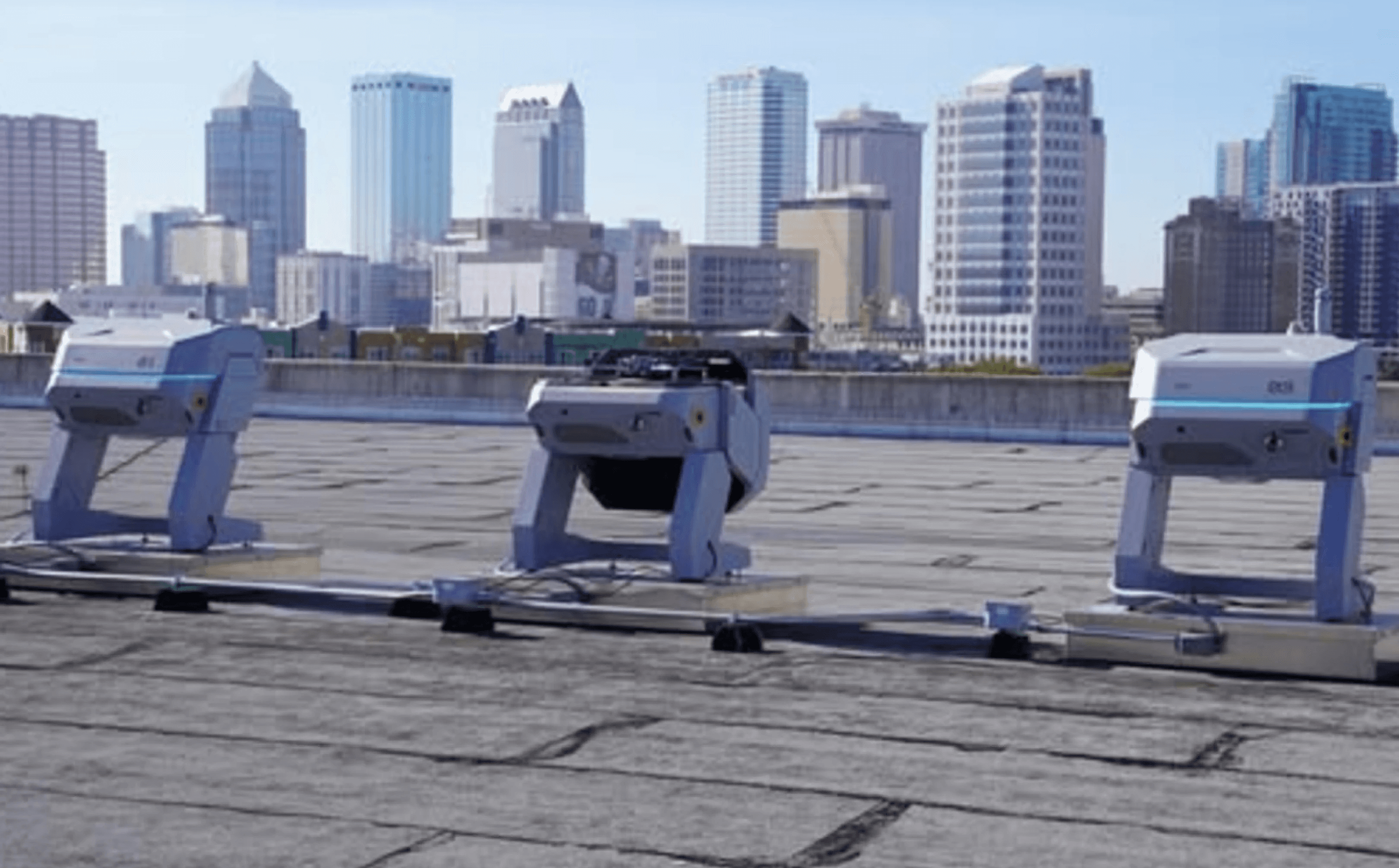
The department's Drone as First Responder program allows high-tech drones to launch the instant a 911 call is received, often reaching the scene minutes ahead of patrol officers on the ground. The aerial feeds provide responding officers with critical situational awareness, acting as what the department calls a "force multiplier" for units on the ground.
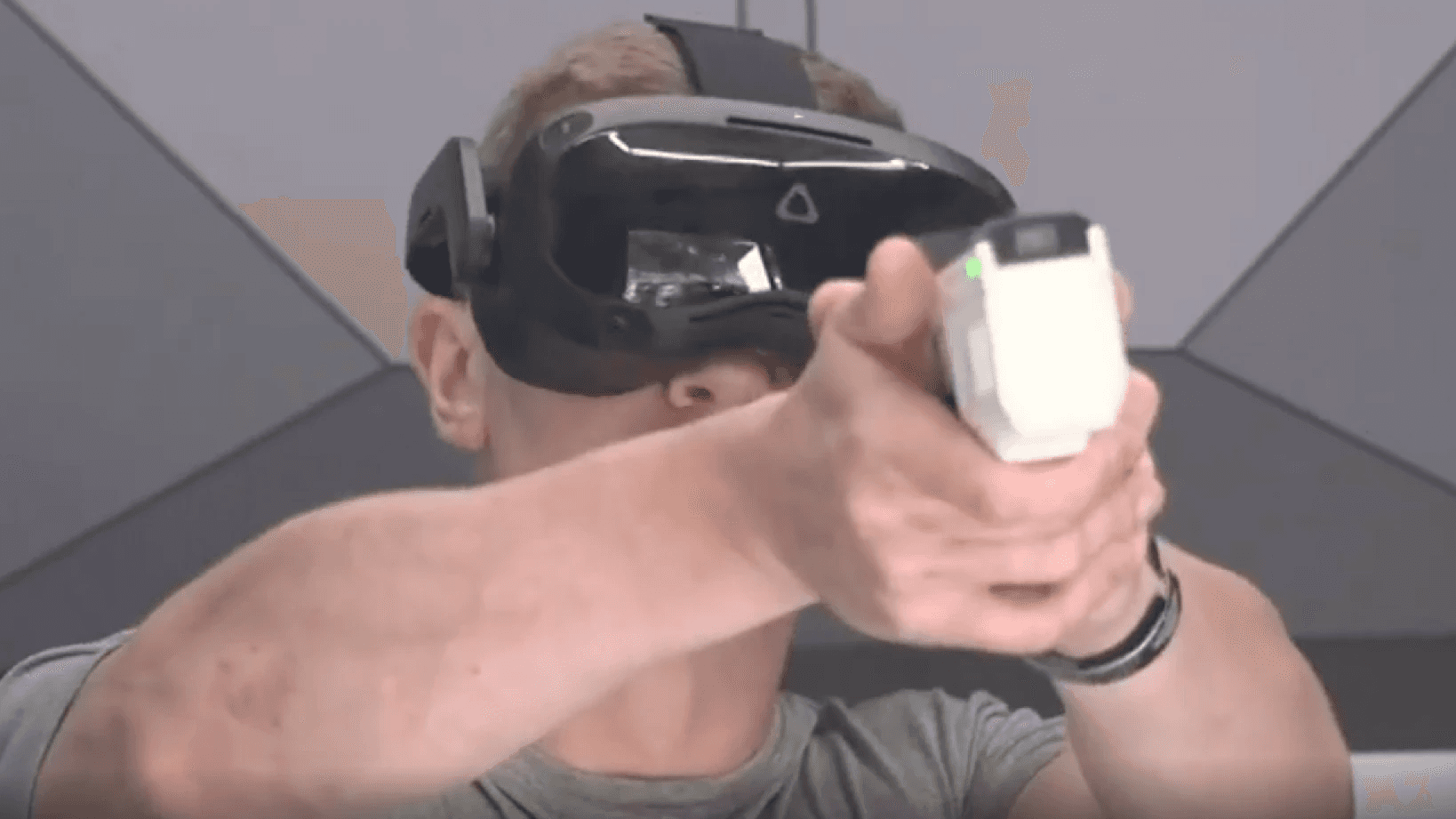
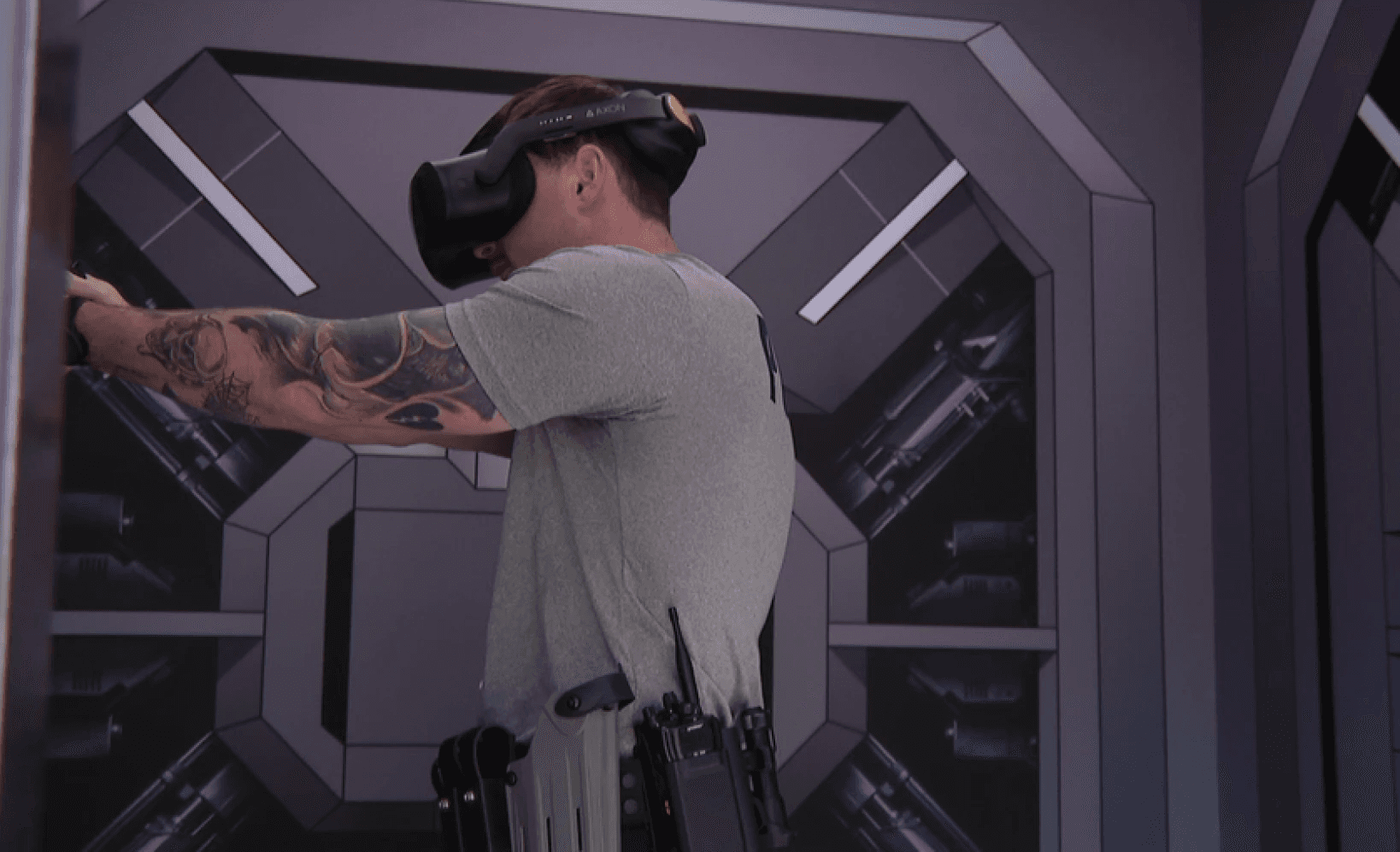
Training is evolving as well, with virtual reality pods that simulate high-stress calls and allow repeated practice of de-escalation techniques. Officers can experience realistic scenarios in a controlled environment, building muscle memory for situations they may face in the field.
Funding and Regional Adoption
The Prepared 911 program is funded through Hillsborough County 911, while the body camera translation and AI policy features are included in Tampa Police Department's updated contract with Axon as part of an enhanced technology package. Any video from 911 calls will be recorded, entered into evidence, and could be used in a case.
Emergency crews across Hillsborough County have access to the technology, but at this moment only TPD has launched it. The Pasco County Sheriff's Office uses the body cam translation and voice-activated policy guidance. Chief Bercaw reported the department saw a historic year in crime reduction, with homicides, violent crime, and property crime all down significantly in 2025.
The department emphasized that these tools are designed to assist, not replace, officers. "The goals of this technology is not to replace officers," Bercaw said. "It is actually to help our officers in their safety, ensuring that they can go home safe at night."
The Tampa Police Department is entering 2026 with a suite of AI-powered technologies designed to improve response times, communication, and officer preparedness. The upgrades give officers and dispatchers more information before and during emergency calls, with Chief Lee Bercaw calling the initiative essential to keeping Tampa safe.
"By integrating cutting-edge technologies, we are empowering Tampa Police Officers and Communications personnel with real-time intelligence and live-streamed visuals as they answer a call for help," Bercaw said at a department demonstration. "These tools do more than just improve response times. They remove language barriers, improve training, and enhance de-escalation."
Live Video Streaming to 911 Dispatchers
One of the biggest changes is Prepared 911, a system that allows callers to live stream video directly to dispatchers. When someone calls 911 during a major emergency, a dispatcher can text them a secure link to start a video call. If the caller accepts, video is shared directly to the communications center, giving first responders visual context before they arrive on scene.
911 Communications Supervisor Richard Parsons explained the potential impact: "If somebody's on the phone saying someone's with a gun, and we can't get that type of information, now we can see it. What type of gun is it? Is it an automatic weapon? All of that could change our response."
The feature won't be used on every call. Dispatchers will activate it selectively to avoid putting callers at risk. Parsons noted they want to ensure callers aren't chasing suspects to get a better shot of their face. The platform also allows dispatchers to text with callers who cannot speak, and once the call ends, the video stops and the chat closes automatically.
The system has already proven useful. Just last week, dispatchers used the platform to receive a photo of a missing five-year-old from a parent during an active search.
Real-Time Translation in 54 Languages
Officers are also gaining new tools through expanded body camera technology, including instant translation in over 54 languages and voice-activated policy guidance. The Axon Assistant technology can detect the language a person is speaking, translate it in seconds, and repeat it back to the officer in English. It can then translate the officer's response into the caller's language.
Officer Jaclyn Douillard said the technology was a game changer during a recent robbery call. Before these tools, officers would sometimes have to wait five to thirty minutes for a translator to arrive or call in. "I work in the Ybor area as well as downtown," Douillard said. "So you can understand how many tourists are stopping by."
The policy chat feature allows officers to access department guidance through voice commands while in the field, helping them make confident decisions while staying focused on the people they serve.
Drones and Virtual Reality Training
The department's Drone as First Responder program allows high-tech drones to launch the instant a 911 call is received, often reaching the scene minutes ahead of patrol officers on the ground. The aerial feeds provide responding officers with critical situational awareness, acting as what the department calls a "force multiplier" for units on the ground.
Training is evolving as well, with virtual reality pods that simulate high-stress calls and allow repeated practice of de-escalation techniques. Officers can experience realistic scenarios in a controlled environment, building muscle memory for situations they may face in the field.
Funding and Regional Adoption
The Prepared 911 program is funded through Hillsborough County 911, while the body camera translation and AI policy features are included in Tampa Police Department's updated contract with Axon as part of an enhanced technology package. Any video from 911 calls will be recorded, entered into evidence, and could be used in a case.
Emergency crews across Hillsborough County have access to the technology, but at this moment only TPD has launched it. The Pasco County Sheriff's Office uses the body cam translation and voice-activated policy guidance. Chief Bercaw reported the department saw a historic year in crime reduction, with homicides, violent crime, and property crime all down significantly in 2025.
The department emphasized that these tools are designed to assist, not replace, officers. "The goals of this technology is not to replace officers," Bercaw said. "It is actually to help our officers in their safety, ensuring that they can go home safe at night."