Tampa City Council Denies Mirasol Hotel Rezoning
Tampa City Council Denies Mirasol Hotel Rezoning
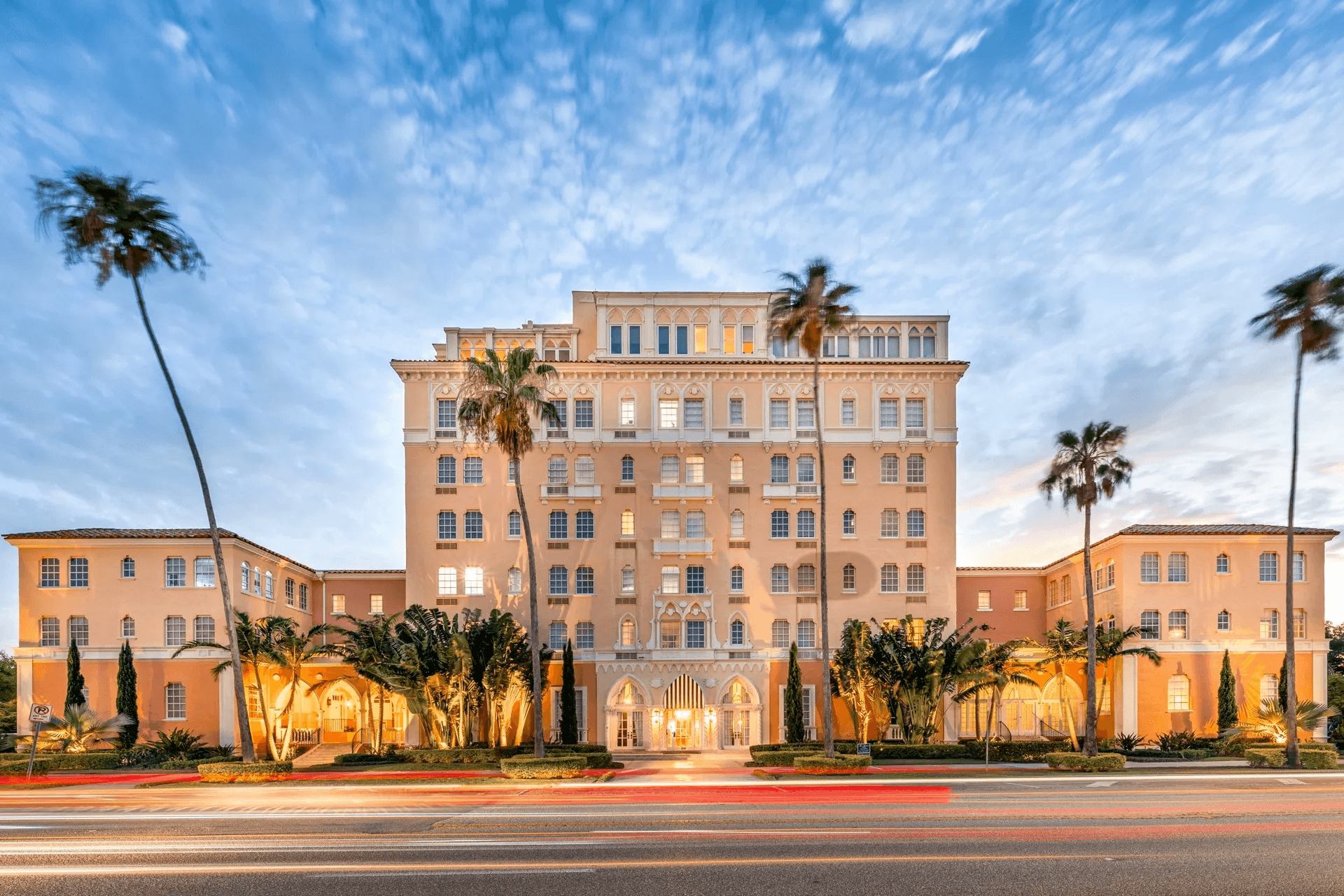
Tampa City Council voted 5-2 to deny a rezoning request that would have allowed the historic Mirasol Apartments on Davis Islands to convert back to a boutique hotel.
Tampa City Council voted 5-2 to deny a rezoning request that would have allowed the historic Mirasol Apartments on Davis Islands to convert back to a boutique hotel.
Tampa City Council voted 5-2 early Thursday morning to deny a comprehensive plan amendment and planned development rezoning that would have allowed the historic Mirasol on Davis Islands to be converted from apartments into a boutique hotel. The decision came after a marathon public hearing that stretched nearly five and a half hours, reflecting the depth of disagreement surrounding the century-old waterfront property.
The applicants, Frank and Lindsey Carriera, had sought to change the property's future land use designation to CMU-35, one of the city's most intense mixed-use categories. Their goal was to restore the Mirasol to its original use as an upscale boutique hotel, arguing the change would unlock private investment needed to preserve the historic building.
A Building at a Crossroads
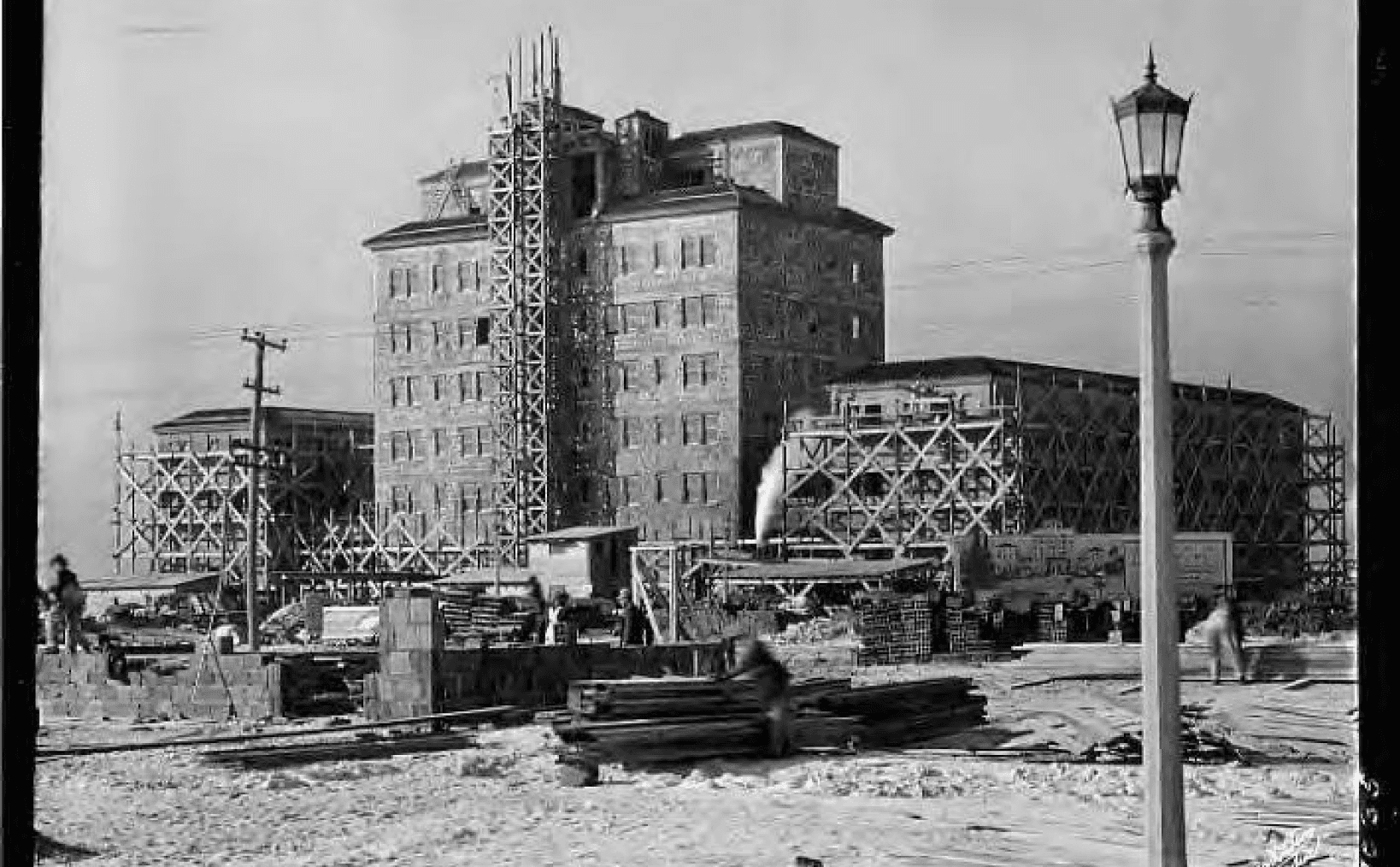
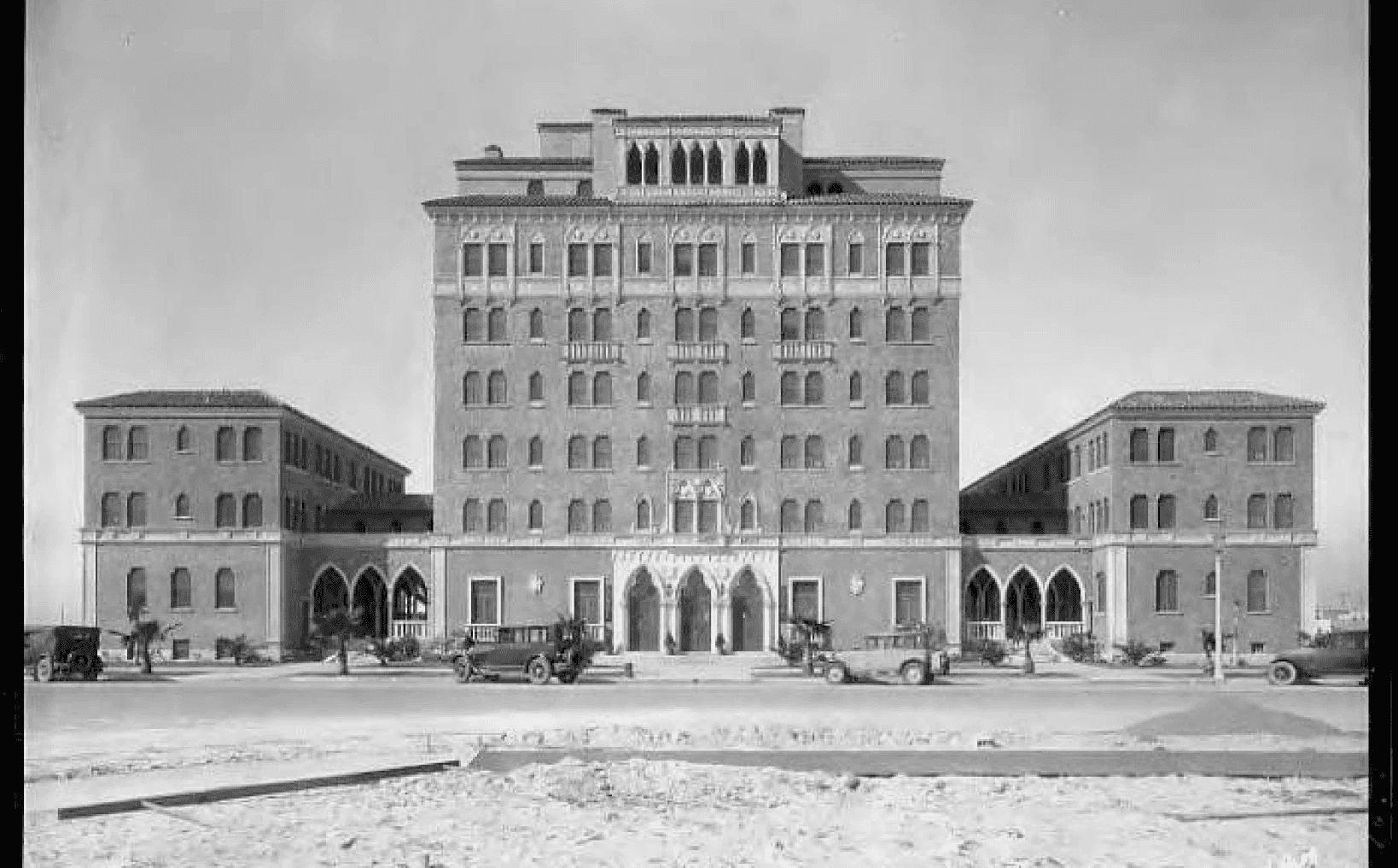
The Mirasol was built in 1926 as a Mediterranean Revival hotel and served for decades as a social and lodging hub for Davis Islands. It was converted to apartments in 1962 and has operated as a 58-unit residential property ever since. The owners say repeated damage during the 2024 hurricane season left the building severely impacted and made its current use economically unsustainable.
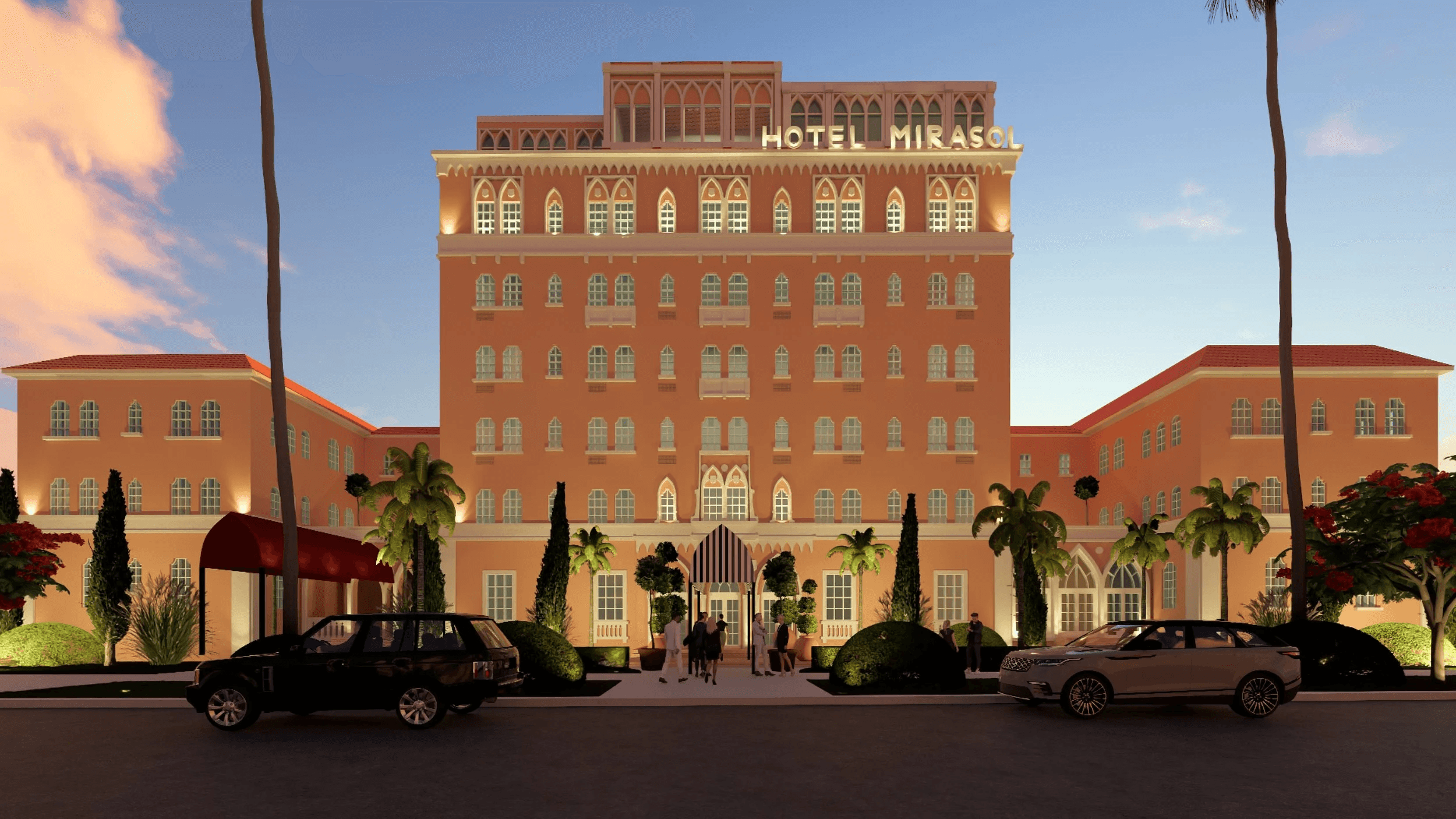
The proposed redevelopment would have converted the apartments into up to 116 hotel rooms, added as many as 12 condominium units in new low-rise wings, and expanded on-site parking to 117 covered spaces. Plans also included a restaurant, rooftop lounge with panoramic views, a full-service spa, and concierge service. No hotel operator or brand had been selected; that decision would have come only after rezoning approval.
The Carrieras said the denied rezoning would have allowed the building to pursue historic designation and make reinvestment possible to address structural, safety, and infrastructure issues after years of deferred maintenance.
Community Deeply Divided
More than 100 residents, business owners, and community stakeholders addressed the council during the meeting. Speakers were sharply divided over whether a boutique hotel would preserve the historic waterfront building or fundamentally alter the character of Davis Islands.
Supporters framed the proposal as a preservation-driven response to the building's deteriorating condition. They argued that restoring the Mirasol as an upscale boutique hotel would protect the landmark for generations while keeping it in scale with the surrounding community. Much of the current demand for short-term rentals at the property comes from families connected to Tampa General Hospital, including long-term medical stays, visiting relatives, and hospital staff.
Neighbors, historians, engineers, and attorneys spoke for hours raising concerns about scale, precedent, and neighborhood impacts. Many warned the land use change would open the door to development far beyond the existing structure. Homeowners pointed to concerns about increased traffic, noise, and density. According to the neighbors' attorney, the proposal would have significantly increased building coverage and the number of units on the site.
Others worried that changing the land use could increase the property's value and leave it vulnerable to future redevelopment, since the building is not protected by historic preservation rules. The Planning Commission had reviewed the proposal in August and recommended denying the future land-use change.
Council Weighs Economic Realities
Several council members emphasized that the vote was not a rejection of historic preservation itself but a reflection of land-use, zoning, and procedural concerns raised during the review process. They said their concern was not the hotel concept itself but the scope and flexibility of the requested zoning classification, which could have enabled future development beyond what was presented at the hearing.
Council Chair Alan Clendenin acknowledged the economic realities facing older structures, saying Tampa cannot turn into a fully residential city. He also referenced past examples of historic buildings lost to neglect and decay when no viable financial path existed to sustain them, warning that preservation without economic viability often leads to demolition by attrition rather than intentional reuse.
Proponents of the project pushed back by arguing the economics required the change. They said hotel use would support higher nightly rates, creating the revenue needed to fund major repairs to the aging building.
What Happens Next
The council's vote leaves The Mirasol operating under its existing zoning and use as apartments. The decision does not require immediate changes to the property but removes the proposed hotel conversion as an approved option.
Despite the denial, the Carrieras said they remain committed to the building and to continued dialogue with city officials and the Davis Islands community. "The Mirasol is a rare and irreplaceable part of Tampa's history," Frank Carriera said after the vote. "Without a viable path forward, its future remains uncertain. The need to protect and invest in this building does not disappear with tonight's decision."
For now, the crown jewel of Davis Islands will remain apartments under its current land use. But the question of how to preserve Tampa's historic structures while ensuring their economic viability is far from settled.
Tampa City Council voted 5-2 early Thursday morning to deny a comprehensive plan amendment and planned development rezoning that would have allowed the historic Mirasol on Davis Islands to be converted from apartments into a boutique hotel. The decision came after a marathon public hearing that stretched nearly five and a half hours, reflecting the depth of disagreement surrounding the century-old waterfront property.
The applicants, Frank and Lindsey Carriera, had sought to change the property's future land use designation to CMU-35, one of the city's most intense mixed-use categories. Their goal was to restore the Mirasol to its original use as an upscale boutique hotel, arguing the change would unlock private investment needed to preserve the historic building.
A Building at a Crossroads
The Mirasol was built in 1926 as a Mediterranean Revival hotel and served for decades as a social and lodging hub for Davis Islands. It was converted to apartments in 1962 and has operated as a 58-unit residential property ever since. The owners say repeated damage during the 2024 hurricane season left the building severely impacted and made its current use economically unsustainable.
The proposed redevelopment would have converted the apartments into up to 116 hotel rooms, added as many as 12 condominium units in new low-rise wings, and expanded on-site parking to 117 covered spaces. Plans also included a restaurant, rooftop lounge with panoramic views, a full-service spa, and concierge service. No hotel operator or brand had been selected; that decision would have come only after rezoning approval.
The Carrieras said the denied rezoning would have allowed the building to pursue historic designation and make reinvestment possible to address structural, safety, and infrastructure issues after years of deferred maintenance.
Community Deeply Divided
More than 100 residents, business owners, and community stakeholders addressed the council during the meeting. Speakers were sharply divided over whether a boutique hotel would preserve the historic waterfront building or fundamentally alter the character of Davis Islands.
Supporters framed the proposal as a preservation-driven response to the building's deteriorating condition. They argued that restoring the Mirasol as an upscale boutique hotel would protect the landmark for generations while keeping it in scale with the surrounding community. Much of the current demand for short-term rentals at the property comes from families connected to Tampa General Hospital, including long-term medical stays, visiting relatives, and hospital staff.
Neighbors, historians, engineers, and attorneys spoke for hours raising concerns about scale, precedent, and neighborhood impacts. Many warned the land use change would open the door to development far beyond the existing structure. Homeowners pointed to concerns about increased traffic, noise, and density. According to the neighbors' attorney, the proposal would have significantly increased building coverage and the number of units on the site.
Others worried that changing the land use could increase the property's value and leave it vulnerable to future redevelopment, since the building is not protected by historic preservation rules. The Planning Commission had reviewed the proposal in August and recommended denying the future land-use change.
Council Weighs Economic Realities
Several council members emphasized that the vote was not a rejection of historic preservation itself but a reflection of land-use, zoning, and procedural concerns raised during the review process. They said their concern was not the hotel concept itself but the scope and flexibility of the requested zoning classification, which could have enabled future development beyond what was presented at the hearing.
Council Chair Alan Clendenin acknowledged the economic realities facing older structures, saying Tampa cannot turn into a fully residential city. He also referenced past examples of historic buildings lost to neglect and decay when no viable financial path existed to sustain them, warning that preservation without economic viability often leads to demolition by attrition rather than intentional reuse.
Proponents of the project pushed back by arguing the economics required the change. They said hotel use would support higher nightly rates, creating the revenue needed to fund major repairs to the aging building.
What Happens Next
The council's vote leaves The Mirasol operating under its existing zoning and use as apartments. The decision does not require immediate changes to the property but removes the proposed hotel conversion as an approved option.
Despite the denial, the Carrieras said they remain committed to the building and to continued dialogue with city officials and the Davis Islands community. "The Mirasol is a rare and irreplaceable part of Tampa's history," Frank Carriera said after the vote. "Without a viable path forward, its future remains uncertain. The need to protect and invest in this building does not disappear with tonight's decision."
For now, the crown jewel of Davis Islands will remain apartments under its current land use. But the question of how to preserve Tampa's historic structures while ensuring their economic viability is far from settled.