
West Tampa’s Moment Has Finally Arrived
Dec 1, 2025
After decades of discussion, planning, and neighborhood advocacy, West Tampa is about to step into the spotlight.
West Tampa’s Moment Has Finally Arrived
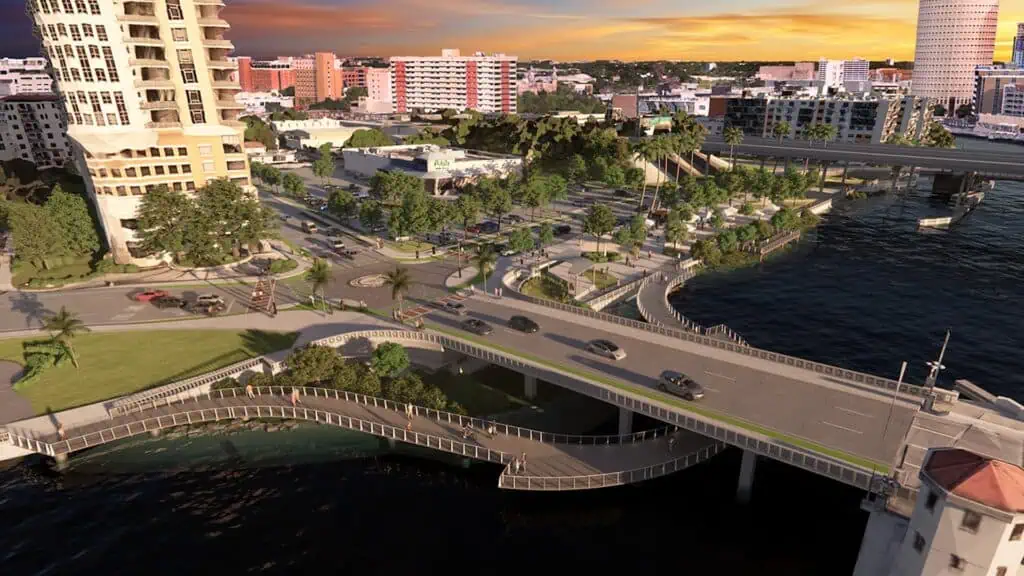
After decades of discussion, planning, and neighborhood advocacy, West Tampa is about to step into the spotlight. The long-awaited West Riverwalk expansion, a transformative five-mile corridor stretching from Columbus Drive to Platt Street, set to bridge Tampa’s historic west side with the city’s urban core, completing one of the most significant public-realm projects in the region’s modern era.
Backed by a $24 million federal investment, the project will introduce protected bike lanes, widened sidewalks, landscaped overlooks, and safer street crossings, all running along the river, all designed to serve the communities that have been here for generations. For many longtime residents, the project represents far more than upgraded infrastructure. It’s a promise finally fulfilled.
A New Spine for a Growing City
City officials and planners describe the expansion as a critical link in Tampa’s future mobility. As the city braces for more than 60,000 new residents by 2045, the West Riverwalk will function as a backbone for alternative transportation, a safe, connected space for walking, biking, commuting, and gathering outside of a car-dependent system.
Mayor Jane Castor called the project a “once-in-a-generation investment”, emphasizing how it strengthens everything from economic mobility to public health. “This project will take Tampa to the next level,” she said, underscoring the broader vision behind the effort: knitting together the city’s most historic neighborhoods with the waterfront access they’ve long deserved.
A Personal Milestone for West Tampa
For residents who grew up in West Tampa, the significance can’t be overstated.
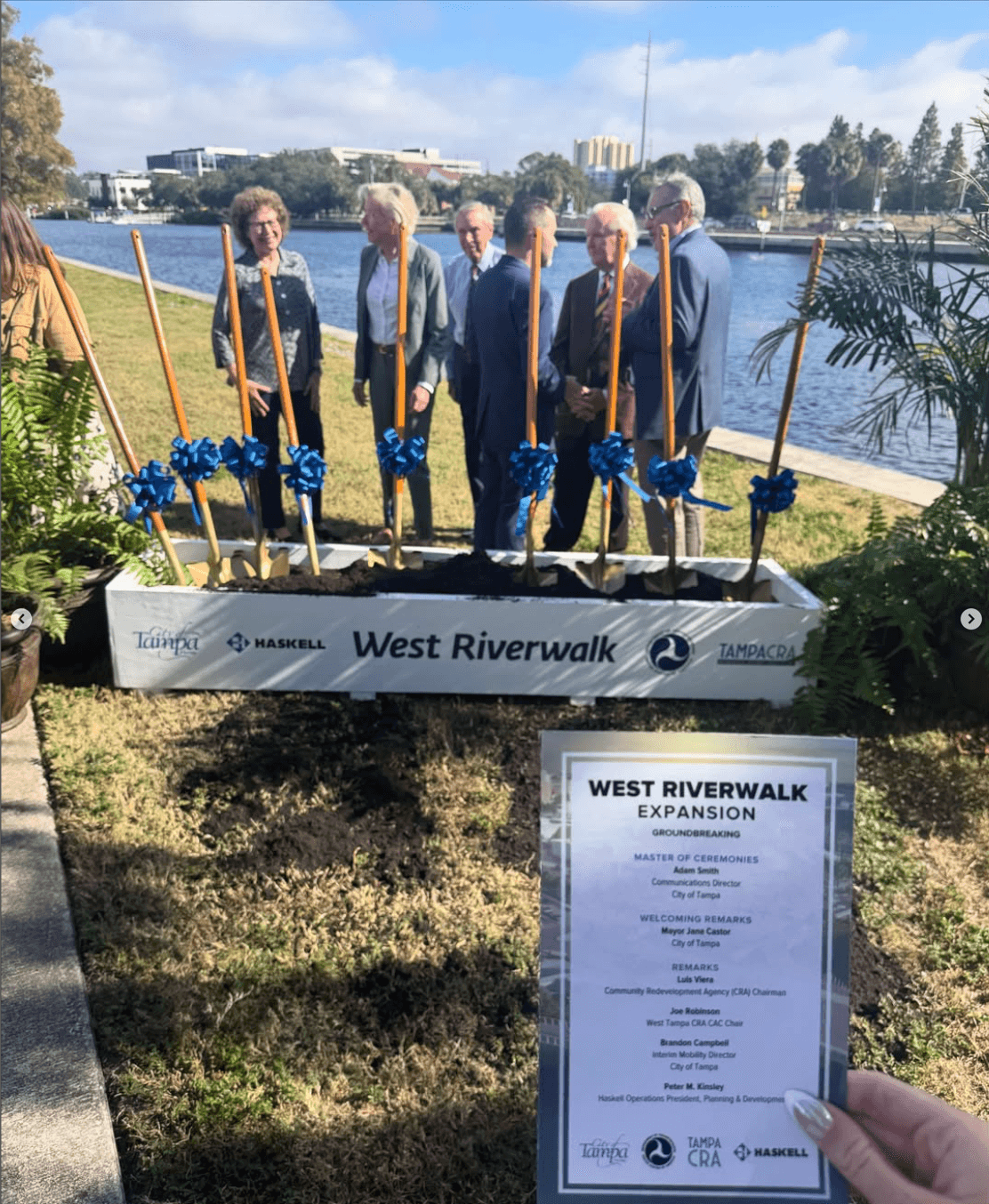
“This is it. It’s time, West Tampa’s time,” said Luis Viera, who represents the area on the Community Redevelopment Agency and whose family has walked the Riverwalk since before it became a regional landmark.
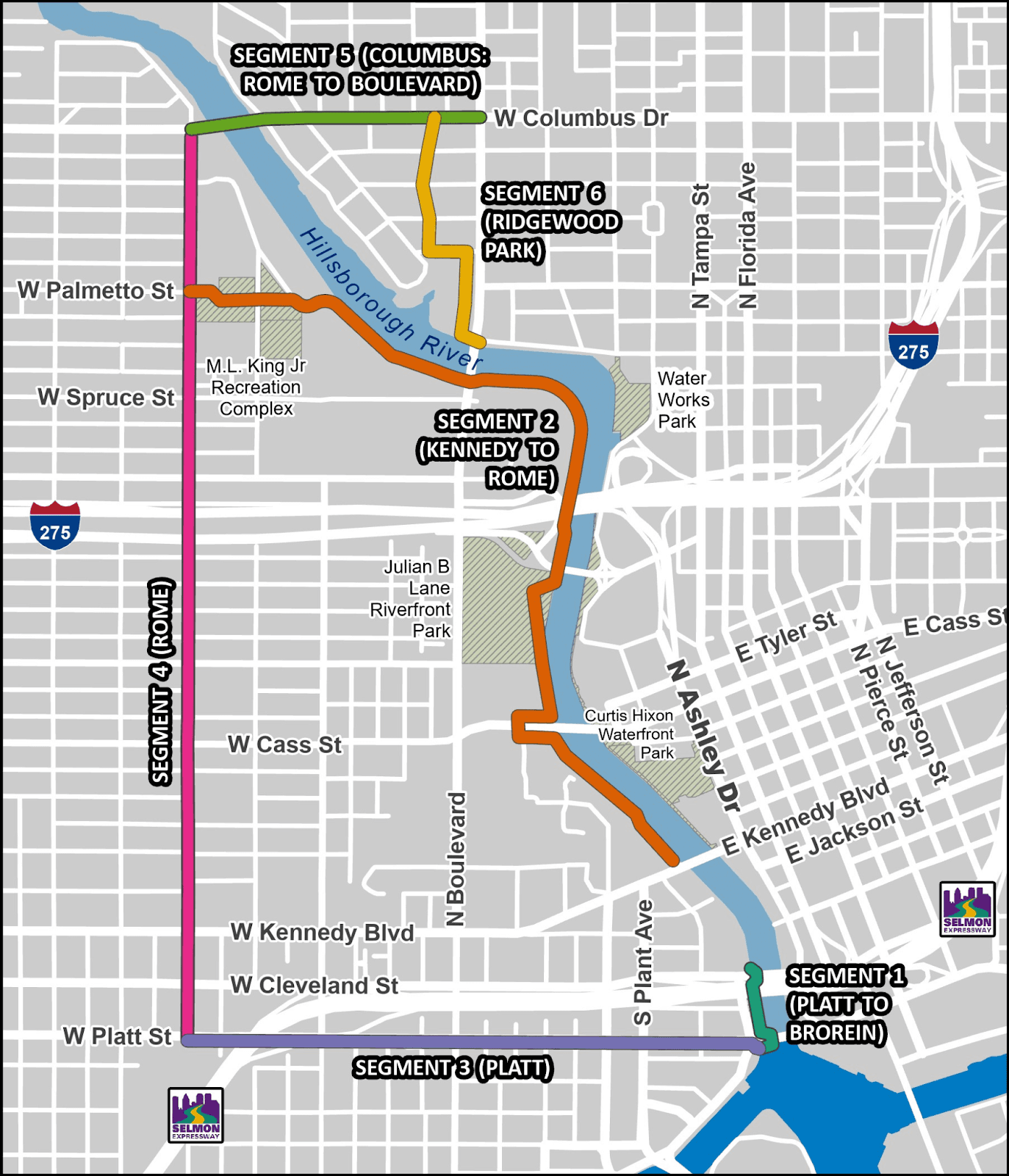
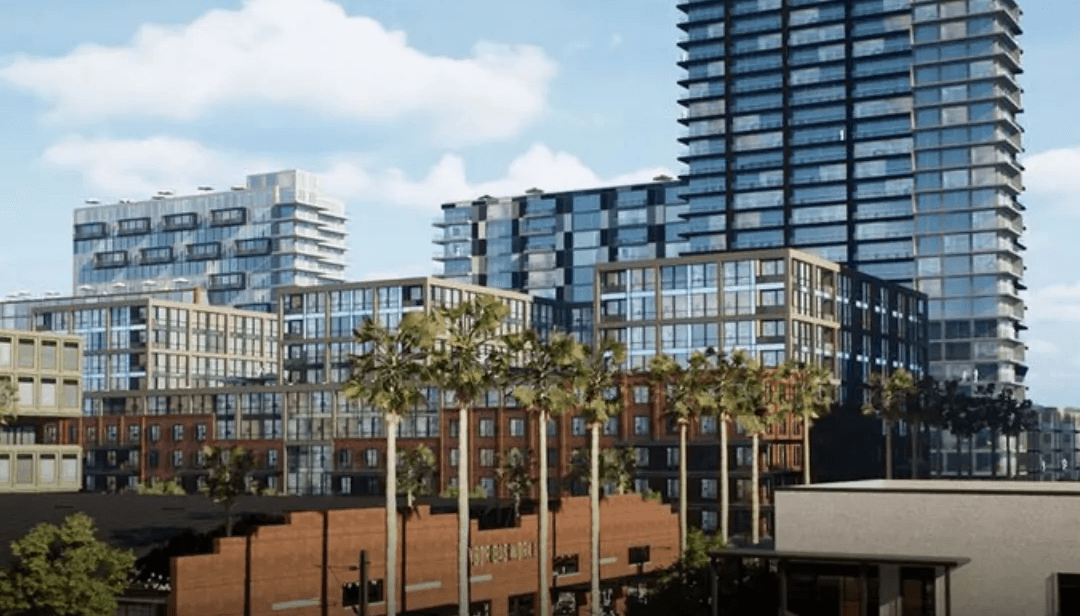
The expansion isn’t simply a pathway, it’s the foundation for renewed economic development across the west side. The city has already planned upgraded public spaces, redesigned roads, and infrastructure improvements meant to support small businesses and increase local foot traffic.
A Project Built on Legacy
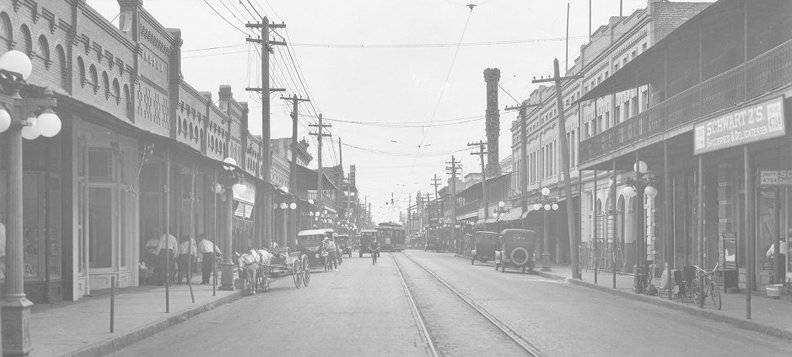
Today’s Riverwalk is the product of decades of persistence. The very first version (a short wooden stretch) was built in 1976, long before the Riverwalk became synonymous with downtown life. The westward expansion extends that legacy across the river, tying together pieces of Tampa’s identity that have remained disconnected for nearly a century.
Brandon Campbell, Tampa’s interim mobility director, said he feels fortunate to help connect these historic segments. “Right place, right time, right team,” he said. A sentiment shared by many who have watched the Riverwalk evolve from a simple walkway to one of Tampa’s defining assets.
More Than a Pathway
Haskell’s operations president Peter M. Kinsley said the project represents the kind of civic work that shapes a city’s character. It’s about creating gathering places, not just building infrastructure. He credited city leadership for pushing boldly toward a vision that prioritizes people, community, and long-term quality of life.
As Kinsley put it, every great civic project starts with a team willing to move forward together and this is Tampa’s moment to do exactly that.
A Century in the Making
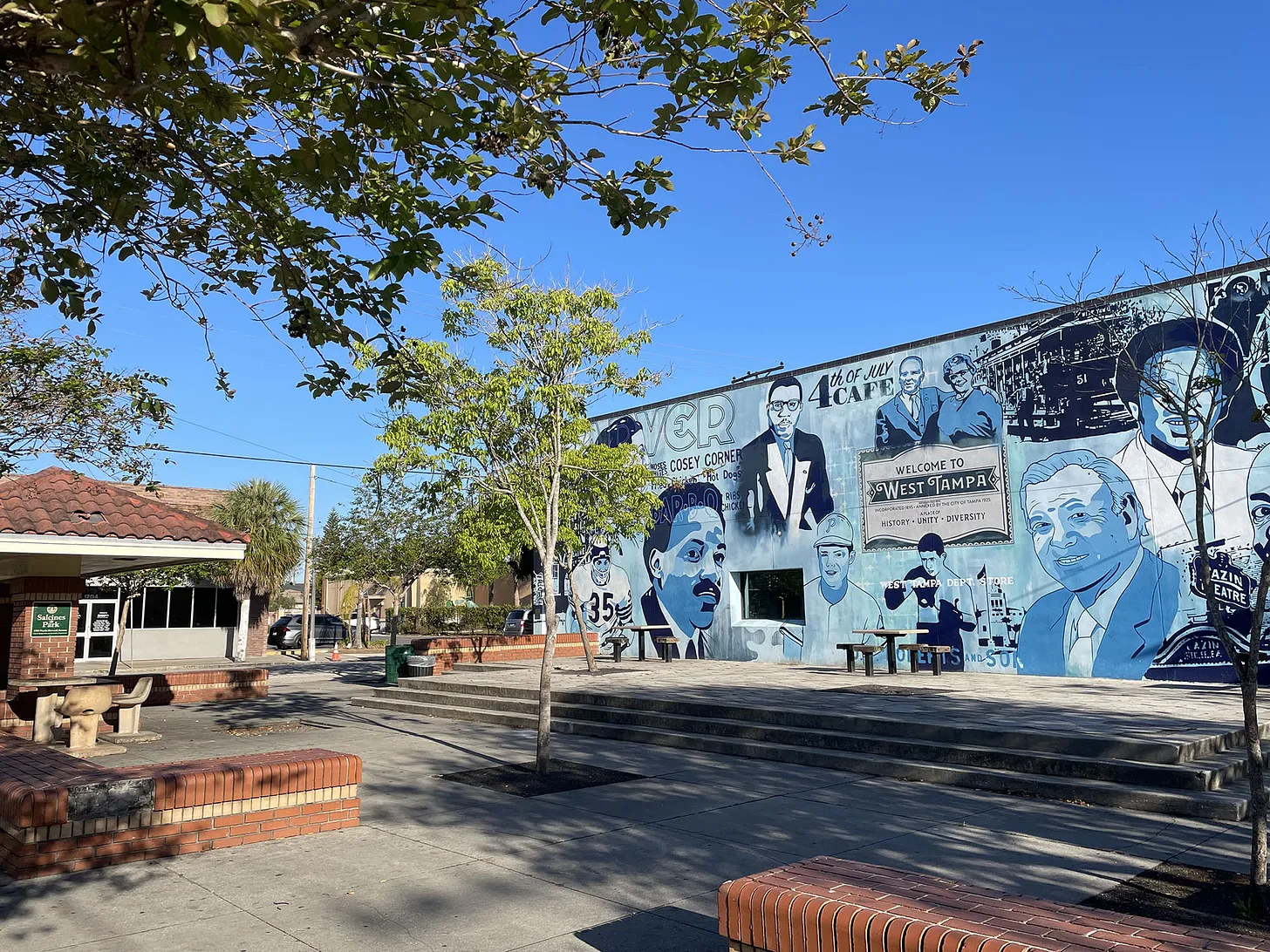
West Tampa was incorporated in 1895 and joined the City of Tampa in 1925. One hundred years later, the West Riverwalk expansion reconnects the neighborhood to its waterfront and to the rest of the city, not just physically, but culturally and economically.
After decades of waiting, West Tampa’s moment has finally arrived and it’s about to reshape the city for the next hundred years.