

Tampa and St. Pete Reunite by Water
Tampa and St. Pete Reunite by Water
Tampa City Council has officially signed off on an interlocal agreement with St. Petersburg and the Pinellas Suncoast Transit Authority (PSTA) to revive ferry service
Tampa City Council has officially signed off on an interlocal agreement with St. Petersburg and the Pinellas Suncoast Transit Authority (PSTA) to revive ferry service
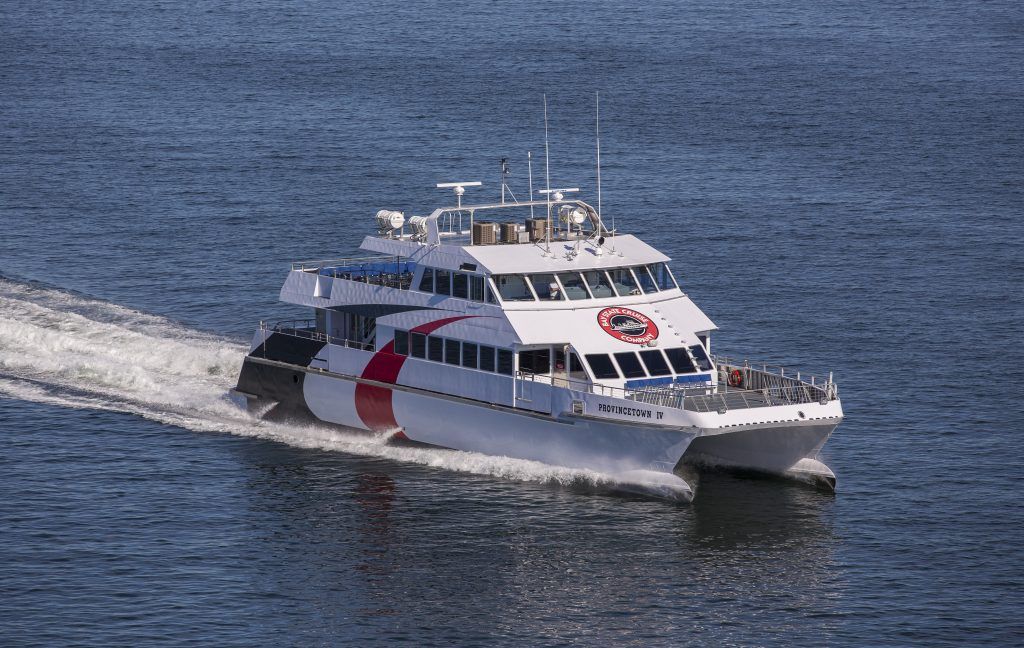
Tampa and St. Pete Reunite by Water: Ferry Service One Step Closer to Returning by 2026
Tampa City Council has officially signed off on an interlocal agreement with St. Petersburg and the Pinellas Suncoast Transit Authority (PSTA) to revive ferry service between the two downtowns, a move that local leaders say will reshape how Tampa Bay moves, commutes, and connects.
Under the agreement, both cities will contribute up to $350,000 annually to support operations, clearing the financial runway for a service that could begin carrying passengers as early as summer 2026.
A Year-Round, Scenic, Stress-Free Commute
The new Tampa Bay Ferry is designed to operate year-round, offering an affordable and sustainable alternative for commuters and visitors crossing the bay. Local transportation planners describe the service as a critical piece of the region’s long-term mobility strategy, one that could ease roadway congestion, reduce emissions, and provide a scenic, reliable way to move between Hillsborough and Pinellas.
For many commuters, the ferry represents something long missing in Tampa Bay’s transit landscape: a pleasant way to travel that’s not entirely dependent on the Howard, Frankland, or Gandy.
A Local Operator Leads the Bid
After reviewing four proposals, PSTA recommended Hubbard’s Marina, a family-run Pinellas institution also known as Tampa Bay Taxi, as the new operator. Hubbard’s deep experience running vessels across local waters made them a standout candidate, especially after the region cut ties with the former operator earlier this year due to concerns over slower vessels.
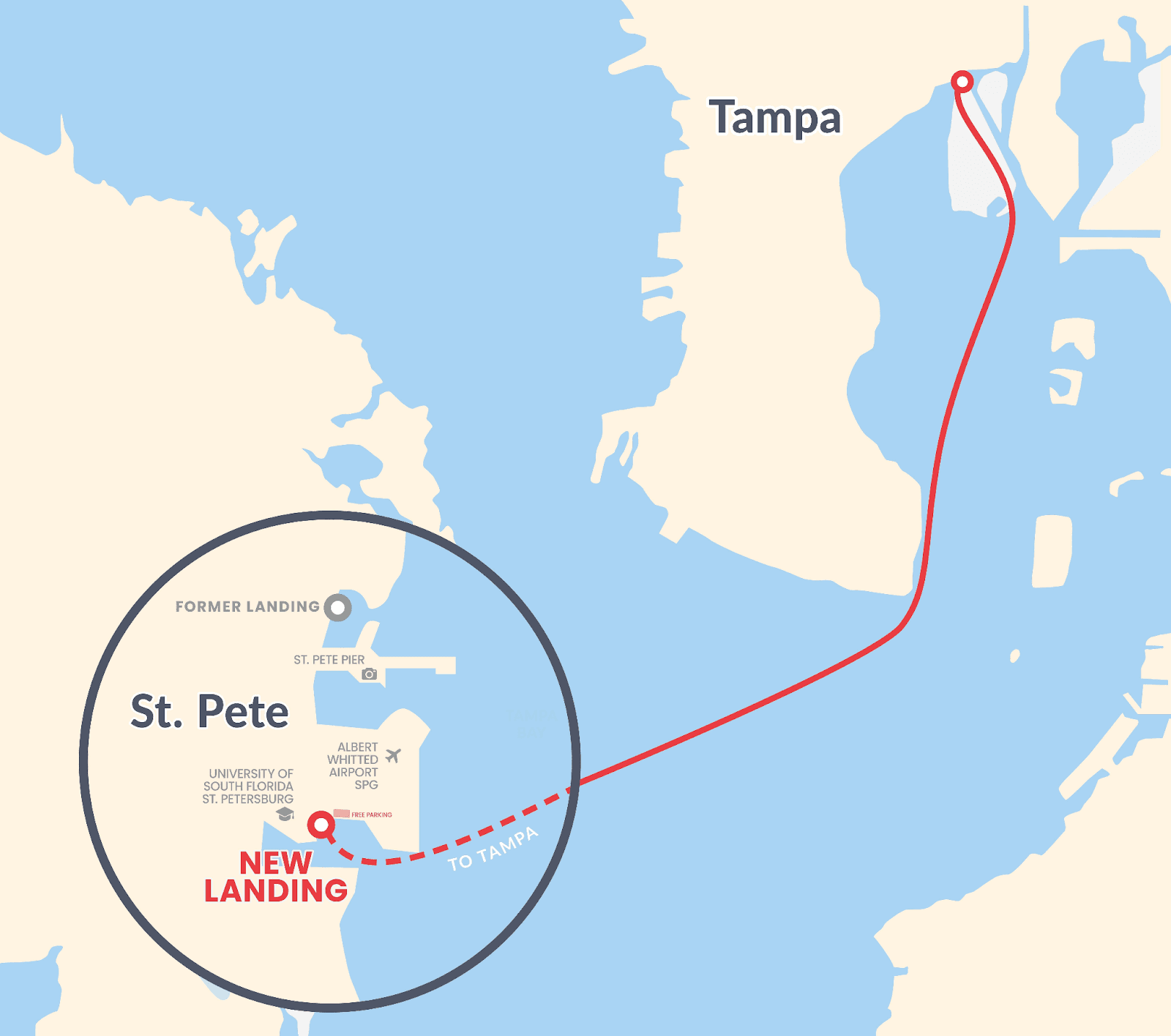
PSTA board members noted that Hubbard’s proposal aligned best with the region’s goals: speed, affordability, year-round reliability, and a strong local track record.
What Happens Next
The operator contract now heads to the PSTA Board for a vote on December 3. If approved, the next steps move quickly:
purchase of new vessels using a $5 million federal grant
design, construction, and performance testing through early 2026
official launch targeted for summer 2026
Local leaders say the timeline is ambitious but realistic, especially with federal funding secured and both cities aligned on long-term transit goals.
A New Chapter in Cross-Bay Connectivity
If everything stays on track, the ferry’s return will mark more than the revival of a popular weekend service — it signals Tampa Bay’s evolution toward a more connected, waterfront-driven regional identity.
For decades, the region has relied almost entirely on bridges and highways to link its communities. With the return of the ferry, Tampa Bay has the chance to redefine what cross-bay mobility looks like — not just faster, but more enjoyable.
In a region built around water, leaders say it’s time for transit to finally embrace it.
Tampa and St. Pete Reunite by Water: Ferry Service One Step Closer to Returning by 2026
Tampa City Council has officially signed off on an interlocal agreement with St. Petersburg and the Pinellas Suncoast Transit Authority (PSTA) to revive ferry service between the two downtowns, a move that local leaders say will reshape how Tampa Bay moves, commutes, and connects.
Under the agreement, both cities will contribute up to $350,000 annually to support operations, clearing the financial runway for a service that could begin carrying passengers as early as summer 2026.
A Year-Round, Scenic, Stress-Free Commute
The new Tampa Bay Ferry is designed to operate year-round, offering an affordable and sustainable alternative for commuters and visitors crossing the bay. Local transportation planners describe the service as a critical piece of the region’s long-term mobility strategy, one that could ease roadway congestion, reduce emissions, and provide a scenic, reliable way to move between Hillsborough and Pinellas.
For many commuters, the ferry represents something long missing in Tampa Bay’s transit landscape: a pleasant way to travel that’s not entirely dependent on the Howard, Frankland, or Gandy.
A Local Operator Leads the Bid
After reviewing four proposals, PSTA recommended Hubbard’s Marina, a family-run Pinellas institution also known as Tampa Bay Taxi, as the new operator. Hubbard’s deep experience running vessels across local waters made them a standout candidate, especially after the region cut ties with the former operator earlier this year due to concerns over slower vessels.
PSTA board members noted that Hubbard’s proposal aligned best with the region’s goals: speed, affordability, year-round reliability, and a strong local track record.
What Happens Next
The operator contract now heads to the PSTA Board for a vote on December 3. If approved, the next steps move quickly:
purchase of new vessels using a $5 million federal grant
design, construction, and performance testing through early 2026
official launch targeted for summer 2026
Local leaders say the timeline is ambitious but realistic, especially with federal funding secured and both cities aligned on long-term transit goals.
A New Chapter in Cross-Bay Connectivity
If everything stays on track, the ferry’s return will mark more than the revival of a popular weekend service — it signals Tampa Bay’s evolution toward a more connected, waterfront-driven regional identity.
For decades, the region has relied almost entirely on bridges and highways to link its communities. With the return of the ferry, Tampa Bay has the chance to redefine what cross-bay mobility looks like — not just faster, but more enjoyable.
In a region built around water, leaders say it’s time for transit to finally embrace it.