

CRA Invests $4M to Create Downtown Tampa Workforce Housing
CRA Invests $4M to Create Downtown Tampa Workforce Housing
Tampa's Community Redevelopment Agency commits $4 million to convert 22 apartments at 801 East Whiting into affordable workforce housing for middle-income residents, expanding options for essential workers.
Tampa's Community Redevelopment Agency commits $4 million to convert 22 apartments at 801 East Whiting into affordable workforce housing for middle-income residents, expanding options for essential workers.
The Tampa Community Redevelopment Agency (CRA) continues its commitment to creating inclusive neighborhoods with a $4 million investment to bring affordable housing to downtown Tampa's working residents. This initiative represents a meaningful step toward addressing one of the region's most pressing challenges: ensuring that essential workers can afford to live near their jobs.
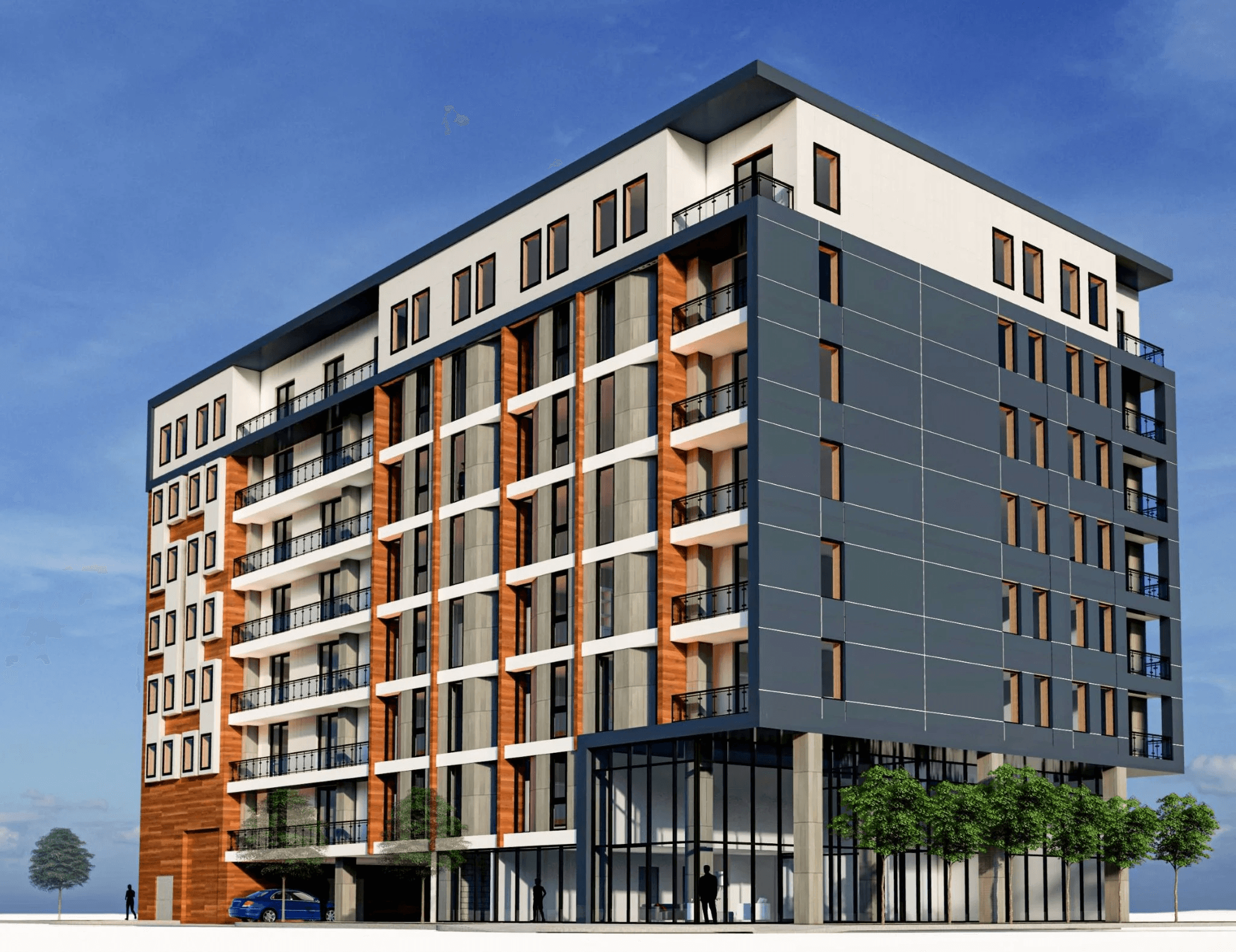
Through this initiative, the Downtown CRA has supported the conversion of 22 units within The Residences at 801 East Whiting, a newly constructed 104-unit apartment community, into workforce housing. Located just east of downtown Tampa within walking distance of the burgeoning Water Street district, the building represents a new model for downtown living that balances innovation with accessibility.
These units will be available to households earning between 80% and 140% of the Area Median Income (AMI), or a single-income household making between $64,250 and $112,420. This income range captures a critical demographic often overlooked in the current housing market, where teachers, nurses, service workers, and first responders increasingly struggle to afford housing in the neighborhoods where they serve.
CRA Board Chairwoman Naya Young stated, "Every affordable unit we can secure means one more teacher, one more service worker, one more nurse, first responder, or other working-class resident can live in the heart of our city where they are closer to their jobs and where their families can enjoy all the amenities downtown Tampa has to offer". The proximity to employment centers, schools, healthcare facilities, and cultural institutions makes this location particularly valuable for commute-dependent workers.
The thoughtfully designed units feature modern, space-saving amenities, including the innovative "Ori Cloud Bed," a multifunctional system that seamlessly transforms living space by lowering a bed from the ceiling that doubles as a couch area. Of the 22 workforce housing units, three are traditional one-bedroom apartments that include private balconies with sweeping views of downtown Tampa.
Craig Bazarsky, co-developer for BendinRoad Development, commented: "This project represents an important step in expanding access to high-quality, attainable housing in a part of Tampa that has traditionally been out of reach for many working individuals and families". The development leverages private investment alongside public subsidy to create a sustainable housing model.
The CRA's workforce housing investment signals a broader commitment to inclusive growth in Tampa's downtown core. As the city continues to attract new residents and employers, ensuring that essential workers can live affordably near their jobs remains critical to maintaining community balance and resilience.
The Tampa Community Redevelopment Agency (CRA) continues its commitment to creating inclusive neighborhoods with a $4 million investment to bring affordable housing to downtown Tampa's working residents. This initiative represents a meaningful step toward addressing one of the region's most pressing challenges: ensuring that essential workers can afford to live near their jobs.
Through this initiative, the Downtown CRA has supported the conversion of 22 units within The Residences at 801 East Whiting, a newly constructed 104-unit apartment community, into workforce housing. Located just east of downtown Tampa within walking distance of the burgeoning Water Street district, the building represents a new model for downtown living that balances innovation with accessibility.
These units will be available to households earning between 80% and 140% of the Area Median Income (AMI), or a single-income household making between $64,250 and $112,420. This income range captures a critical demographic often overlooked in the current housing market, where teachers, nurses, service workers, and first responders increasingly struggle to afford housing in the neighborhoods where they serve.
CRA Board Chairwoman Naya Young stated, "Every affordable unit we can secure means one more teacher, one more service worker, one more nurse, first responder, or other working-class resident can live in the heart of our city where they are closer to their jobs and where their families can enjoy all the amenities downtown Tampa has to offer". The proximity to employment centers, schools, healthcare facilities, and cultural institutions makes this location particularly valuable for commute-dependent workers.
The thoughtfully designed units feature modern, space-saving amenities, including the innovative "Ori Cloud Bed," a multifunctional system that seamlessly transforms living space by lowering a bed from the ceiling that doubles as a couch area. Of the 22 workforce housing units, three are traditional one-bedroom apartments that include private balconies with sweeping views of downtown Tampa.
Craig Bazarsky, co-developer for BendinRoad Development, commented: "This project represents an important step in expanding access to high-quality, attainable housing in a part of Tampa that has traditionally been out of reach for many working individuals and families". The development leverages private investment alongside public subsidy to create a sustainable housing model.
The CRA's workforce housing investment signals a broader commitment to inclusive growth in Tampa's downtown core. As the city continues to attract new residents and employers, ensuring that essential workers can live affordably near their jobs remains critical to maintaining community balance and resilience.